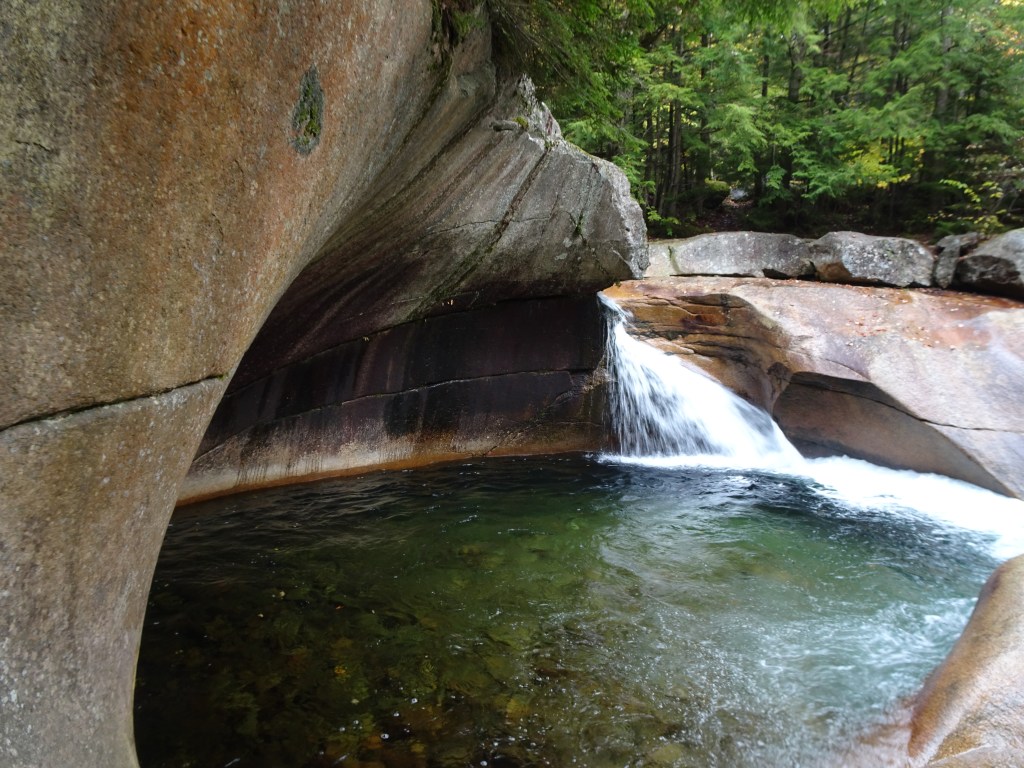
The Basin in Franconia, NH is a delightful outdoor destination with paved walkways alongside the Pemigewasset River. It was not always so. Others who visited in years past describe steep, eroded paths that made for treacherous footing. A tremendous amount of effort and financial investment has transformed this into a beautiful place for people of many abilities to enjoy.
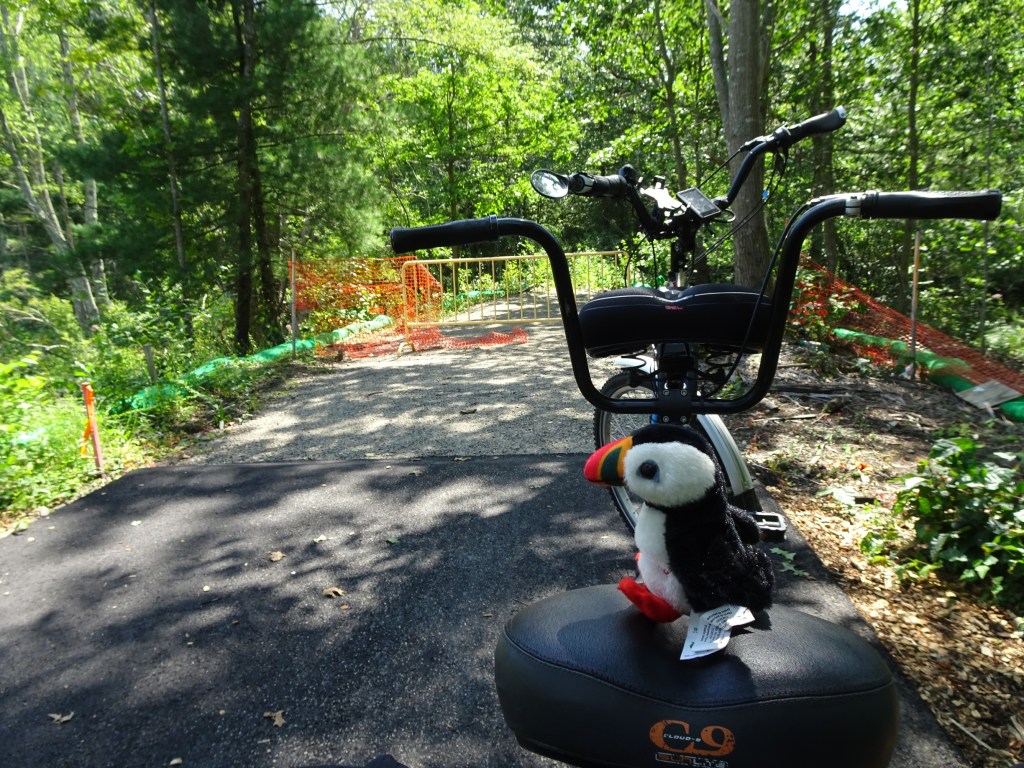
We never know what we will find when visiting a new (to us) rail trail. The Hanover Branch, or Rockland Rail trail, mostly in Rockland, MA, is a work in progress. It is already a community resource, primarily for walkers, since it is relatively short for right now, (3+ miles end to end).
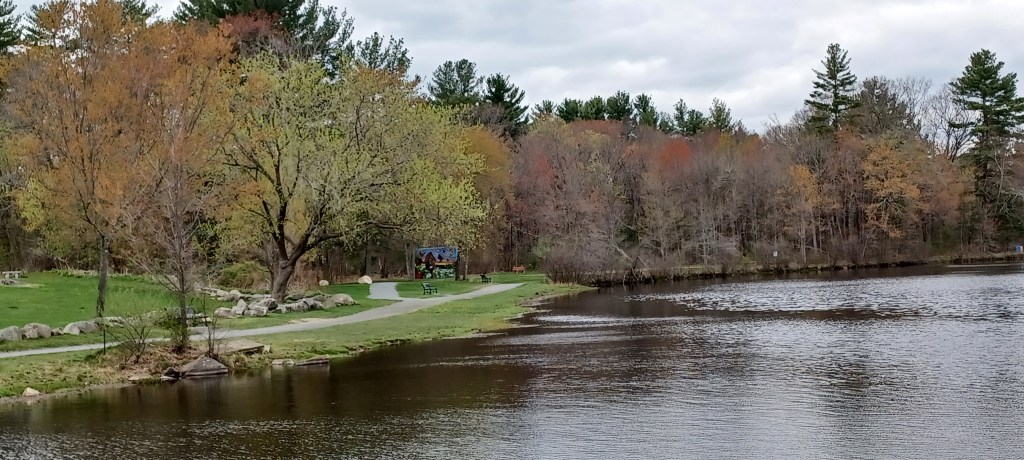
Former swimming hole now a scenic pond at Endean Recreation Area, Norwood
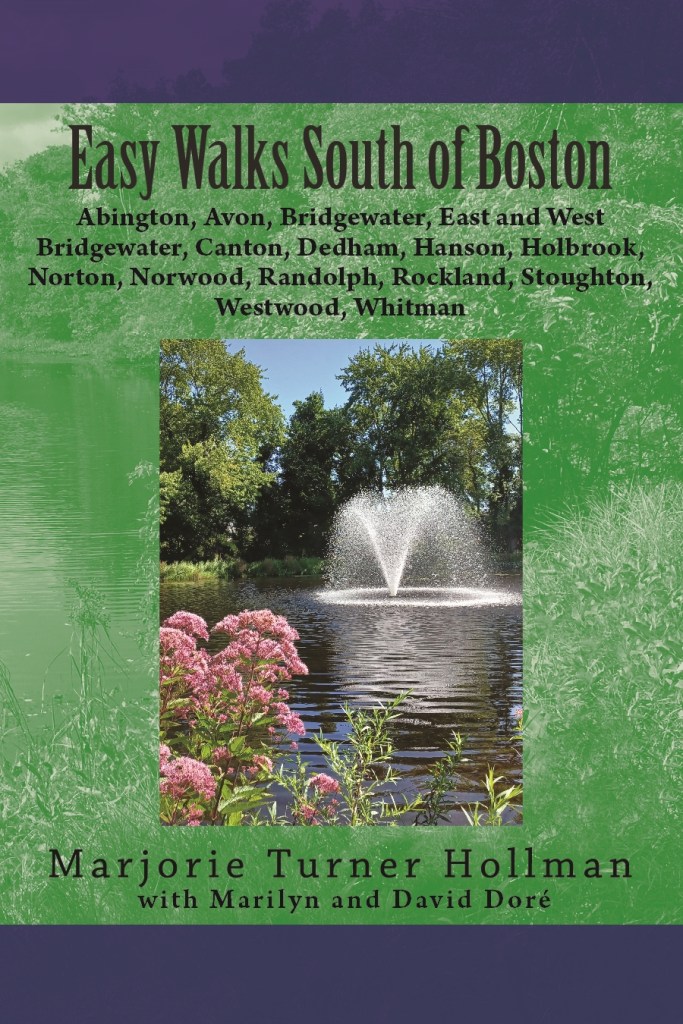
The new trail guide, Easy Walks South of Boston, uses the same template as the other trail guides, with information about Easy Walks (not too many roots or rocks, relatively level with firm footing and something of interest along the way) in towns that are contiguous to each other.
Book cover photo, taken along the north side of the Cape Cod Canal looking east
It had been a while since we visited the Cape Cod Canal bikeway. Easy to get to, no need to cross either canal bridge if you stay on the north side, and so scenic. A place that is easy to access can be taken for granted. However, like other places we may feel tempted to dismiss as “boring,” the canal offers great variety when you look a little closer for what can change between visits.
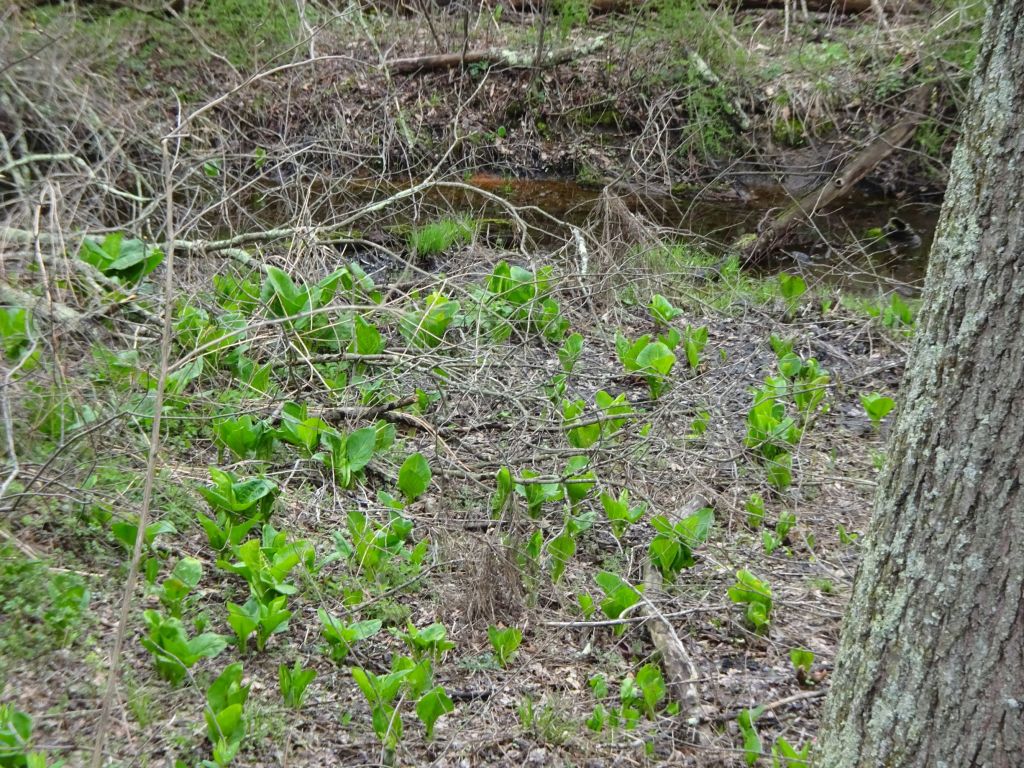
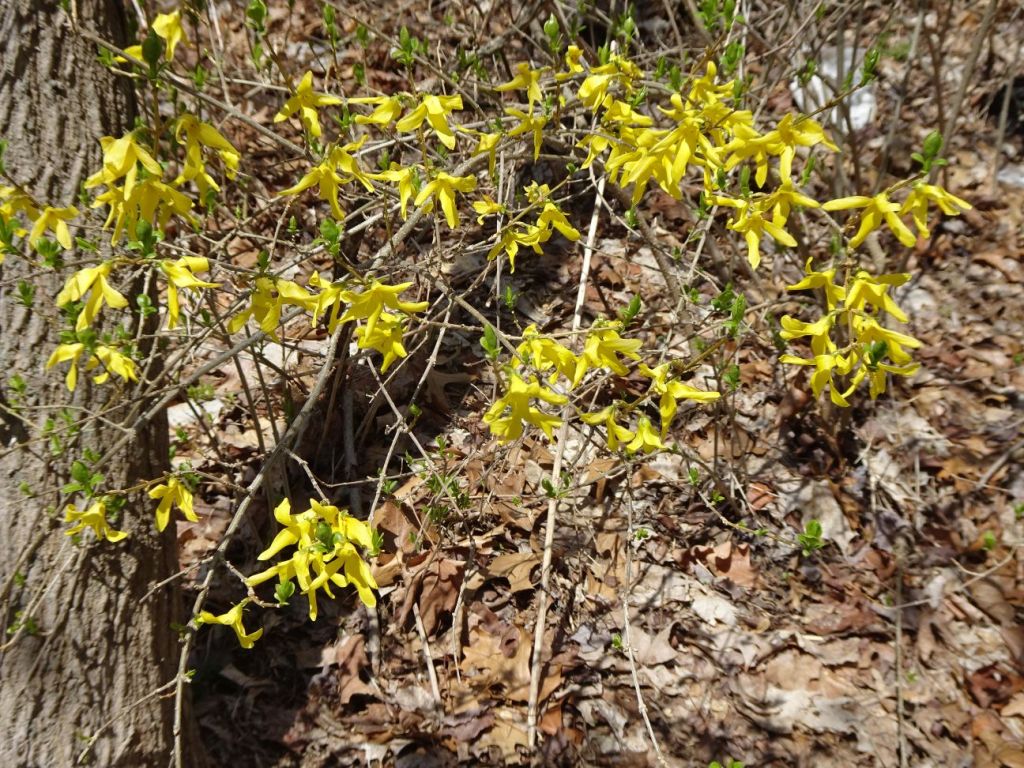
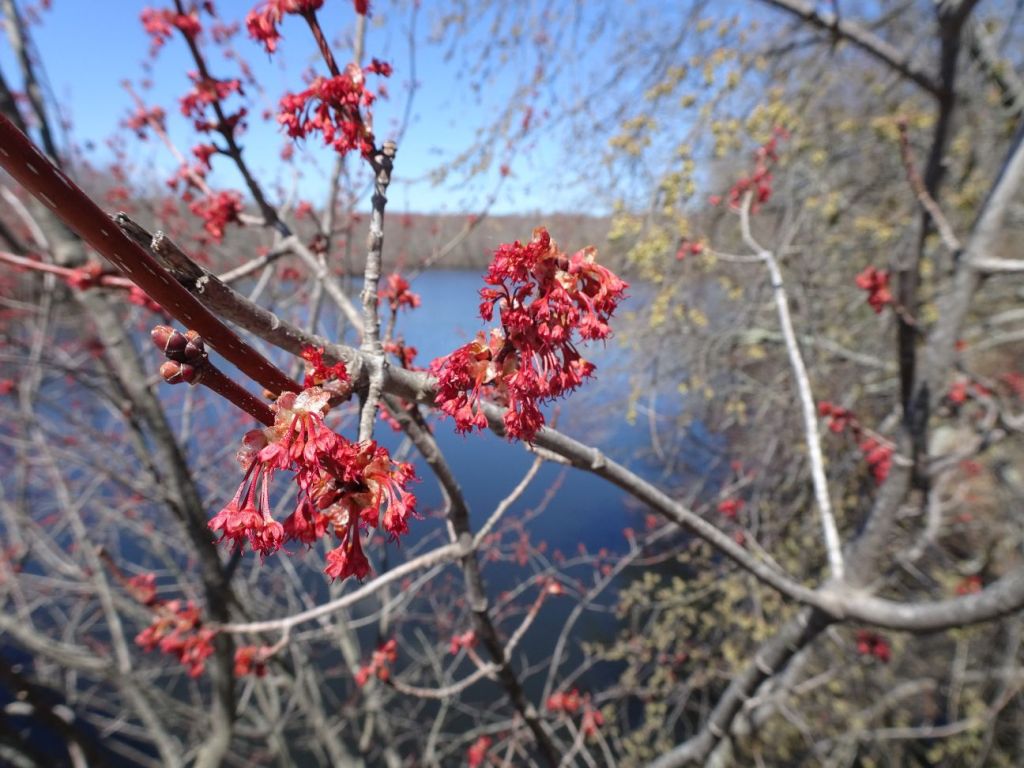
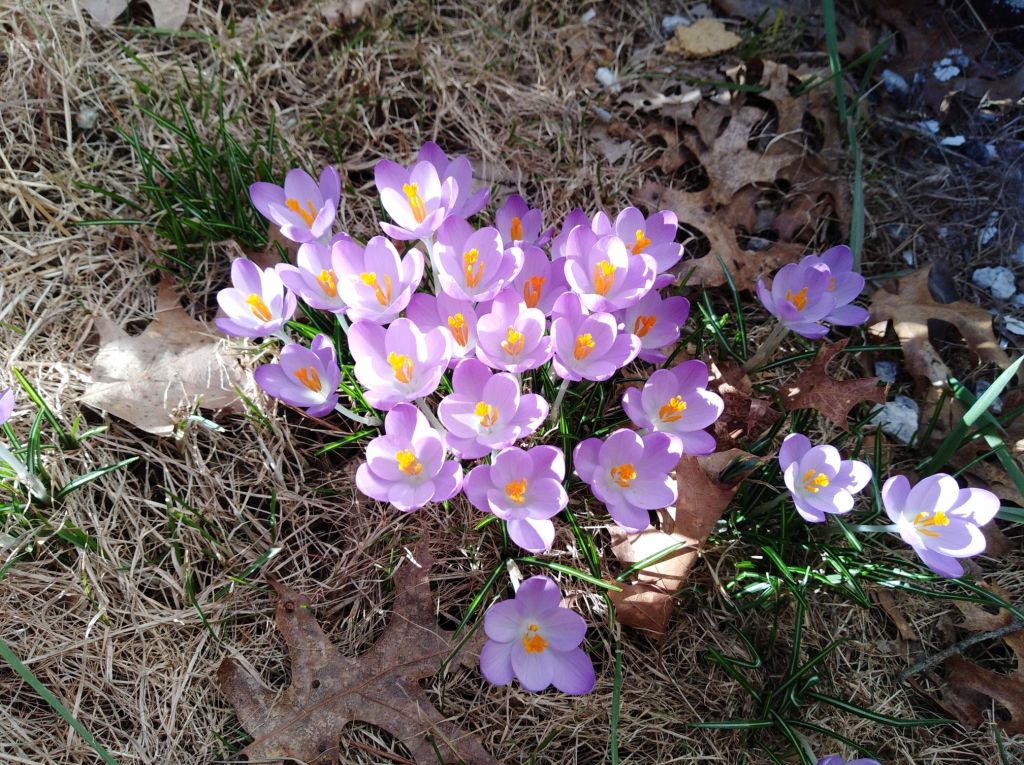
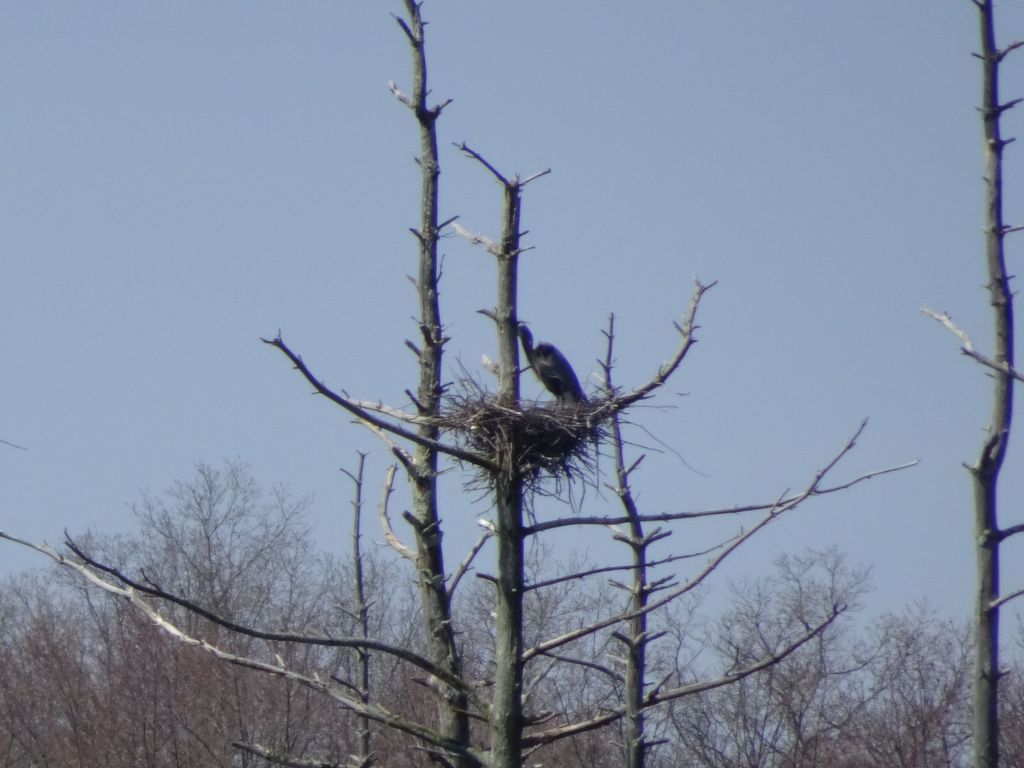
Spring is a great time to get outside, but like the fall, visible signs of spring and the changes that happen in this season are compressed into a few short weeks. Summer and winter last for months on end. If you miss the window of opportunity to catch these quick changes, you will have to wait till next year to witness, and possibly capture in photos the wonders of new life springing forth all around us. At least, this is what I reasoned after realizing I have very few good photos of spring in my files.
A few pictures from other springs
Thus I welcomed the opportunity to get outside on a windy spring afternoon in April at Choate Park in Medway, MA. I met up with Marilyn and Dave Doré, collaborators with me for our now published book, titled Easy Walks in Massachusetts South of Boston. We were excited to get started on this trail guide, a companion to the other Easy Walks in Massachusetts books already available. We published the book in September, 2023 and it is now available in paperback and ebook formats.
We visited the Marginal Way in Ogunquit on an overcast spring weekend. It was given this name because it brings visitors to the “margin” between land and sea.
A highlight of our trip to Newfoundland was returning to Gros Morne National Park on Newfoundland’s western coast. When visiting a place for the first time we often say, “We need to come back.” Much less often are we able to say, “It’s so good to be back,” especially when referring to more far-flung destinations. At the bottom of this article are links to previous posts on our earlier visit to Gros Morne.
Ice can be a huge barrier to getting out in winter. For those of us with mobility challenges (and others) it can keep us inside, missing out on the beauty that is found in colder weather. In general, newly fallen snow is pleasant to walk through. With little snow so far this winter in New England (at least southern New England) we have been able to get out fairly often without the concern of ice. A beautiful spot we revisited recently after a light snow is a Mass Audubon property, Pierpont Meadow in Dudley, MA.
Here’s an extensive list of hiking tips for those with mobility limitations–these can apply to anyone else too. Take a look. Thanks to Vacyou.com magazine for inviting me to contribute.
I have limited mobility, (paralysis in my right leg), have traveled and hiked extensively in the U.S., and have enjoyed exploring trails in Canada and Ireland. Learning the right questions to ask has made a big difference for me by helping people understand what I needed to know to better enjoy my time in the outdoors.
Questions I ask before setting out include: Where can I find places to walk that are not rooty or rocky, are relatively level with firm footing, and have something of interest along the way? Are dogs allowed? Are there bathrooms? Is there a fee to visit? Are trails well marked? What can you tell me about parking?
With practice you will find your best “questions to ask yourself” that will help you make an educated choice about how and where you want to go. Here are my tried and true accessibility tips that can help you get the most out of an outdoor hike (or walk).
You know your own situation best, so these are suggestions, not guarantees that they will work you.
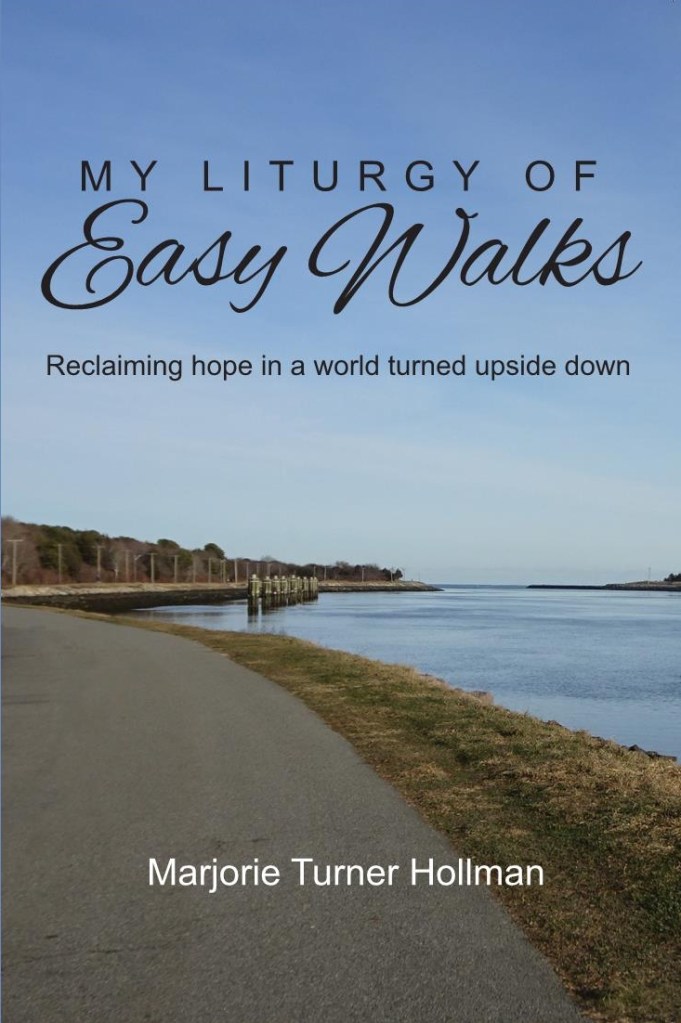
One of the essays in my memoir, My Liturgy of Easy Walks: Reclaiming hope in a world turned upside downrecalls a childhood game we played in the midst of one Florida summer. My siblings, friends and I gathered each night in the South Florida heat, shut our eyes tight and spun in circles. One person sat out the game, perched on the wall, keeping watch over us. We took turns climbing up onto the wall, assuming the role of watcher. When up on the wall we kept our eyes open, ready to alert anyone wandering near the street or too close to the wall.
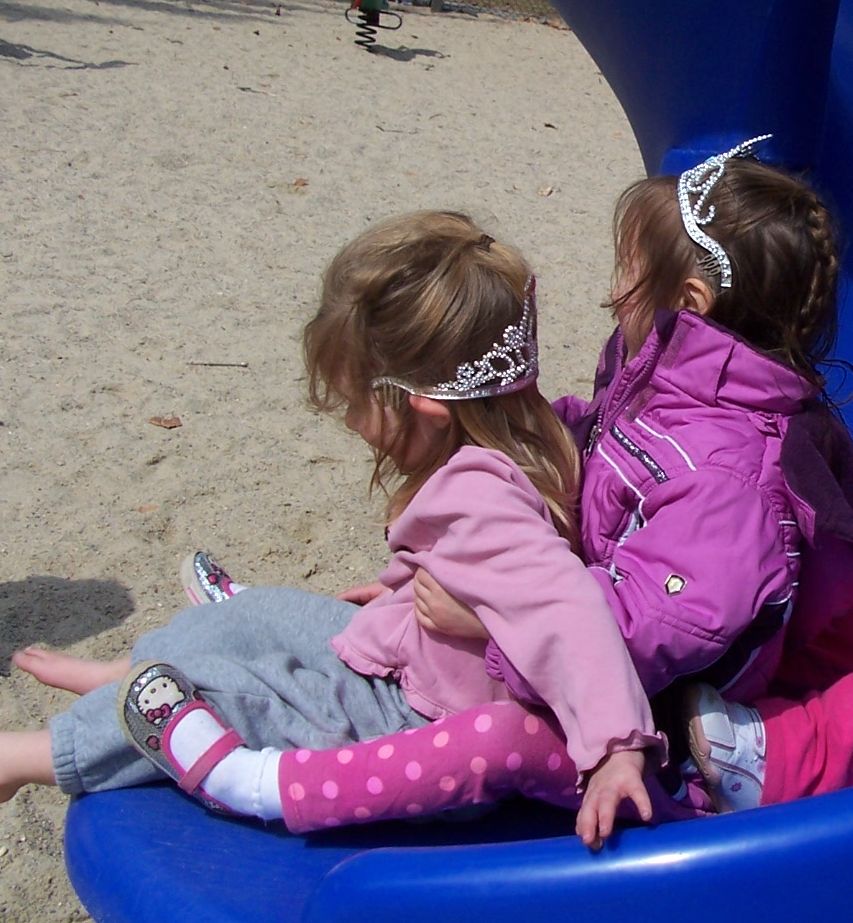
Going in circles or zooming down a slide, kids just want to have fun
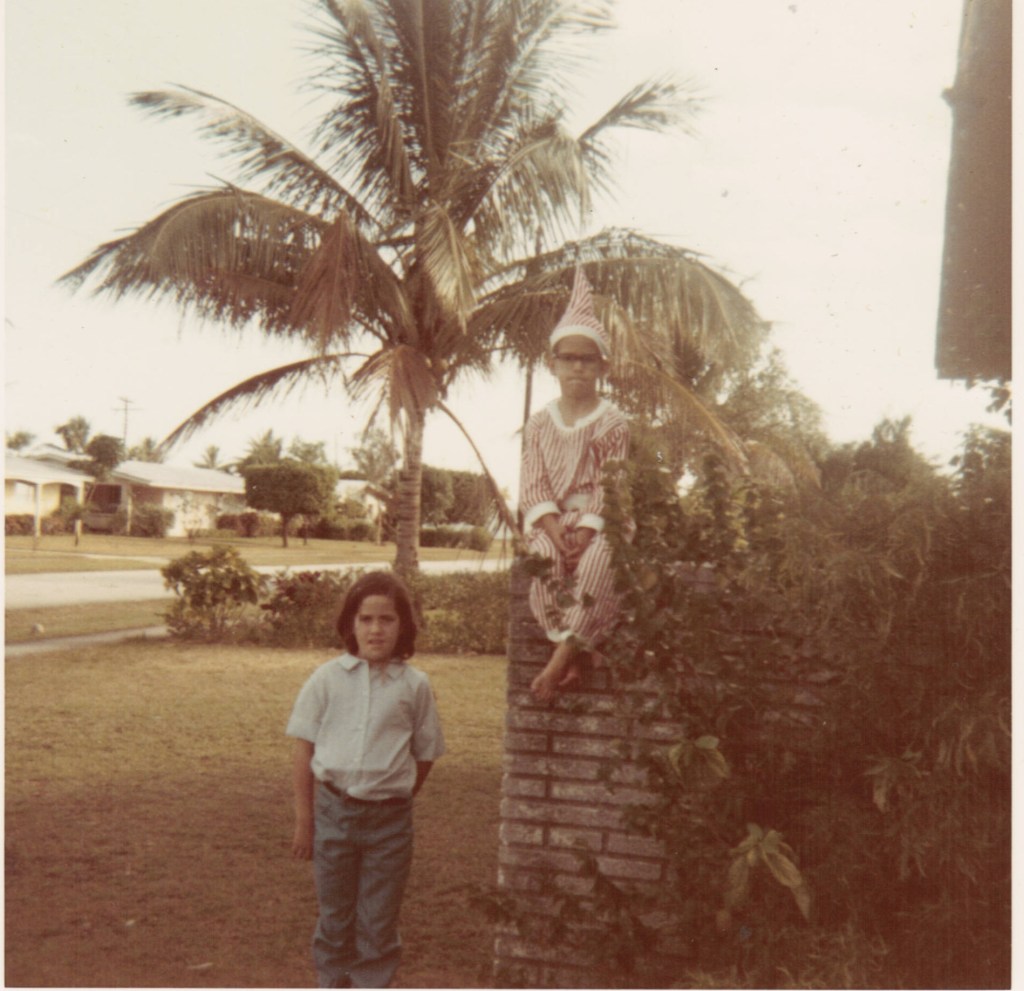
I recently found a picture of my younger brother sitting on that wall, with my younger sister standing next to him. Sometimes a photo can make the difference in understanding a story…or not. Here’s the essay, just one of many included in the book. Enjoy.
Watching
The basic premise of the game, that summer of 1965 in South Florida, was for all of us to shut our eyes and turn around in circles in our front yard. Our goal was to keep spinning till we grew dizzy. A designated “watcher” sat on the five-foot-high brick wall that jutted a few feet out into my parents’ yard. The watcher’s job was to keep their eyes open and warn spinning children if they drew too close to the wall, or ventured near the street.






 Marjorie Turner Hollman