
LISTEN HERE:
Marjorie Turner Hollman helps authors self-publish their books. She is also a disability advocate, sharing information about Easy Walks (not too many roots or rocks, relatively level with firm footing, and something of interest along the way) in open space. Learn more.
The Southern New England Trunkline Trail (SNETT) consists of the rail bed of what was originally called the Norfolk County Railroad, now turned into a rail trail. During its years of operation the railroad changed hands multiple times and had various names. By the early 1900s the railroad was referred to as The Milk Train, since it provided a vital milk delivery service for farmers outside Boston and milk distributors in the city.
The railroad corridor was an important form of transportation for the area from 1849 until hurricanes in 1955 washed out essential bridges west of Blackstone, Massachusetts. Passenger trains ran from Boston to Blackstone until 1966, when the train line finally ceased operation. The steel rails, timbers and gravel were removed after 1966 and the right of way was ultimately transferred to the Massachusetts Department of Conservation and Recreation (Mass DCR) in 1984. (Details provided at Franklin/Bellingham Rail Trail Committee website).
Residents in Franklin and Bellingham banded together around 2010 and formed an advocacy group, the Franklin/Bellingham Rail Trail Committee. Their initial goal was to persuade DCR to develop the right of way into a useable rail trail. Local rail trail advocates lobbied the towns of Franklin, Bellingham, Blackstone, Millville, Uxbridge, and Douglas, MA, to support the proposed project. The six towns through which the right of way passes each signed a letter of support for the project, and tremendous progress toward developing the rail trail has taken place since then.
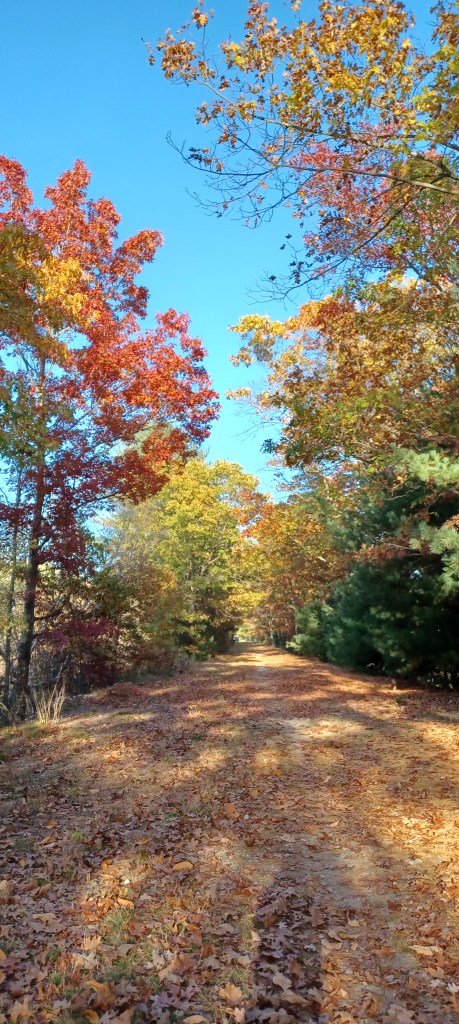
Portions of the trail have now been developed in Franklin, Bellingham, Blackstone, Millville, and Uxbridge. DCR is negotiating for ownership of the right of way that runs from Grove Street to Franklin Center. The goal is to connect the present day SNETT trail head on Grove Street with downtown Franklin.


A four-mile section is finished in Blackstone, Millville, as well as a portion in Uxbridge.
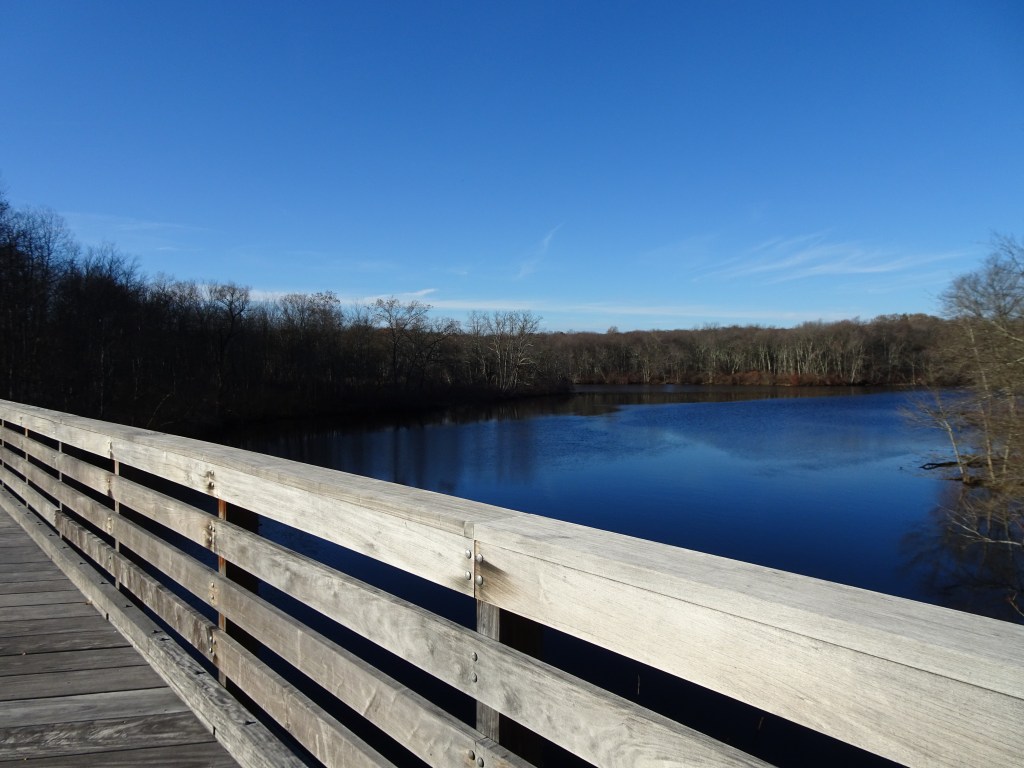
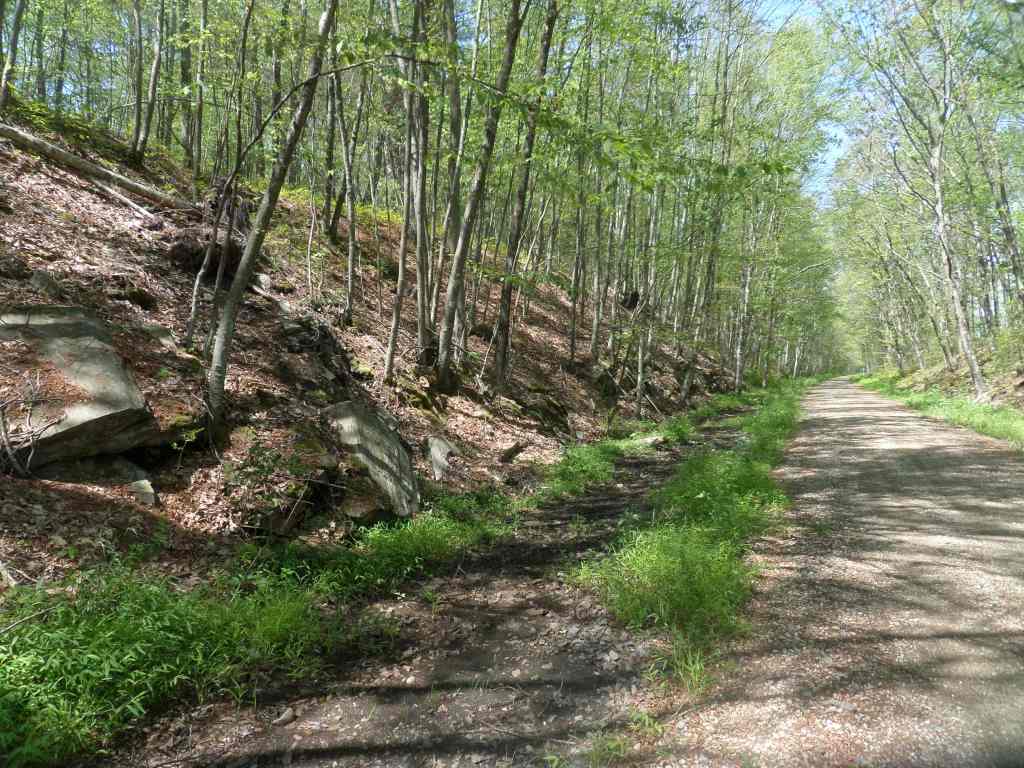
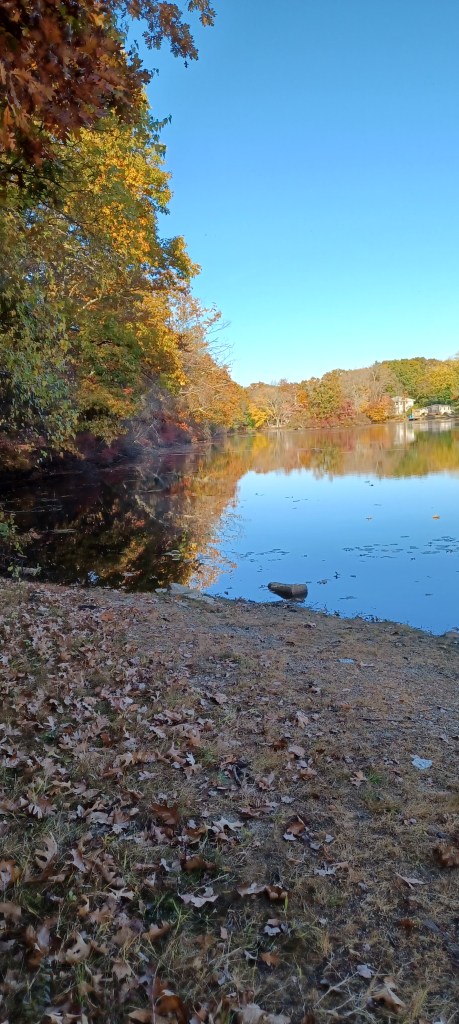
The Blackstone and Millville portion of the trail offers stunning views of the Blackstone River. Douglas has stretches that are walkable, but are not completely developed.


Bellingham neighbors shared with me stories of the efforts by the railroad company to remove the ballast from the abandoned rail bed. They noted that it took around two years before the removal operation (and the truck noise) ceased.
Along the length of the SNETT, railroad infrastructure is still visible. Retaining walls, bridges, and rail artifacts were all part of what made this a functioning rail line.

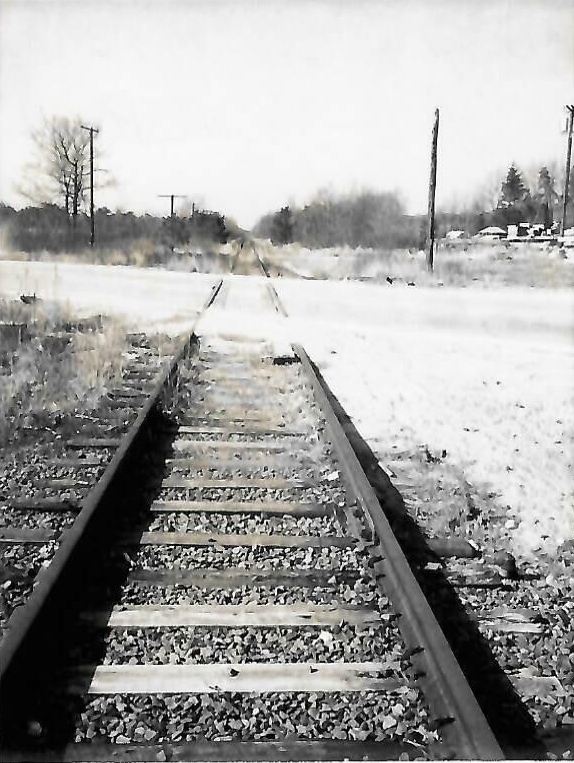
Here’s a peek from then to now, of what was the railroad right of way, as it was being dismantled, to what is now the SNETT. When walking on the SNETT in Franklin and Bellingham, (and other towns) keep an eye out for remnants that remain of the infrastructure that supported train travel through the area.
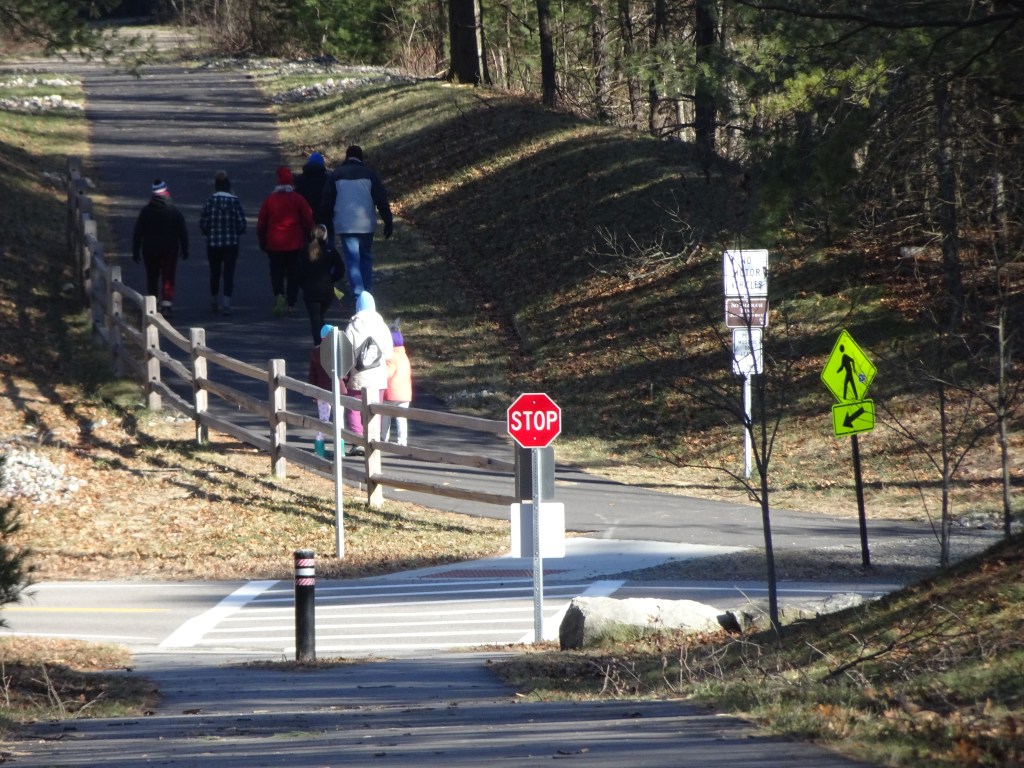

A bridge crossed over Lake Street in Bellingham, (where present day parking is available). The bridge was removed, along with the bridge abutments, but the contours of the land that was built up to support the structure remain. Community groups now use the trail often. (Massachusetts Walking Tour visited Bellingham, Blackstone, Douglas, and Franklin and used the SNETT as part of their bipedal tour route.)

Another bridge allowed trains to pass underneath Prospect Street in Franklin. The area was filled in after the train line was abandoned. Recent culvert construction facilitated removal of the dirt that had buried the original train bed after it was abandoned.
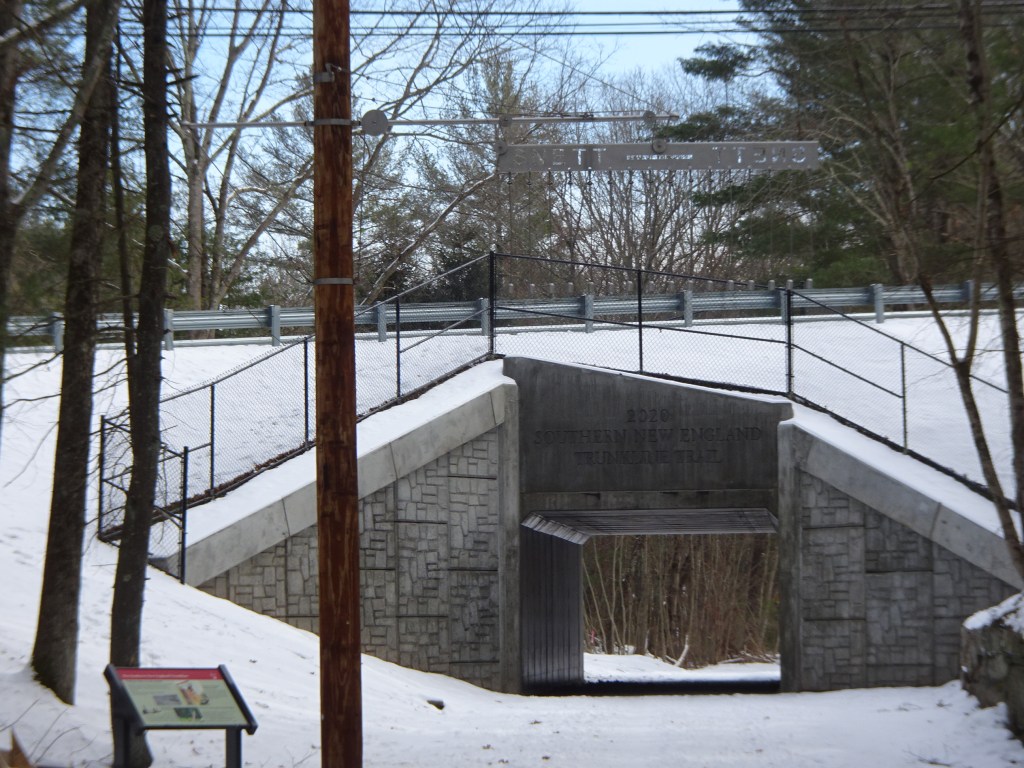
Visitors to the SNETT are now able to pass under the Prospect Street through the culvert, as trains did in the past.
At the Ernest A. Taft Historical Museum in downtown Bellingham, we found yellowed color photos that documented the track and timber removal along the SNETT. Credited photos are reprinted courtesy of the Bellingham Historical Commission (BHC). Additional photos are my own.


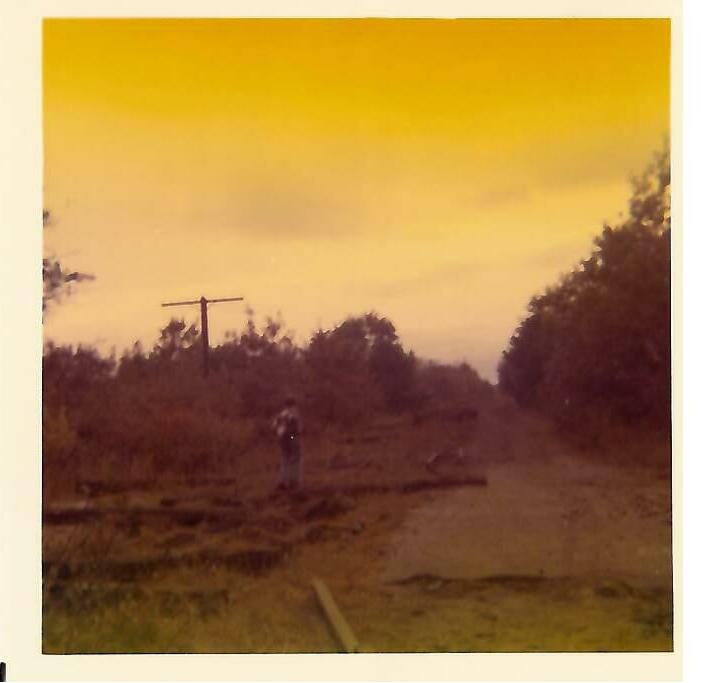
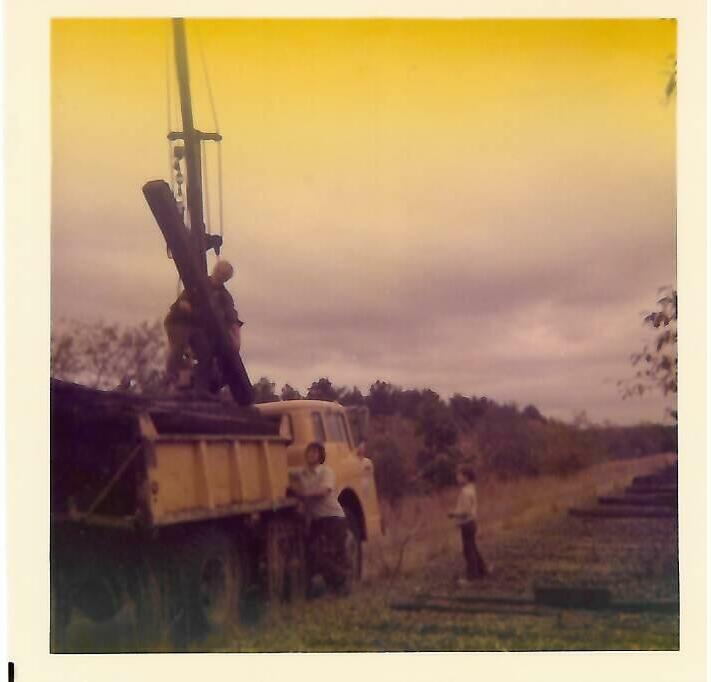
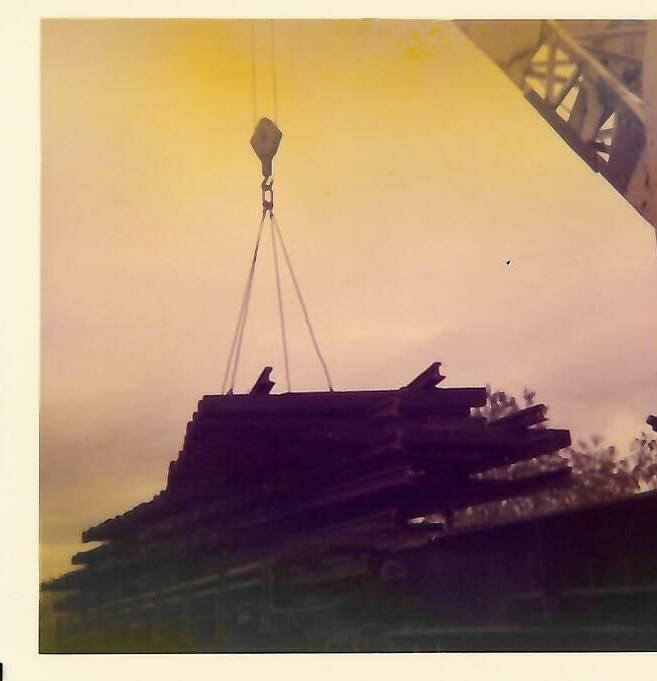
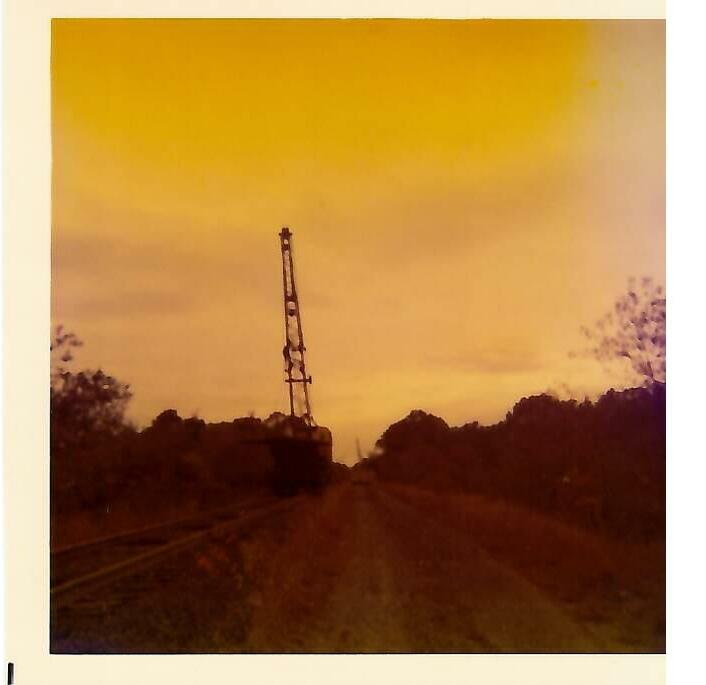
If these photos whet your appetite to learn more, stop by the Bellingham Historical Museum
To confirm when the Ernest A. Taft Jr. Historical Museum is open, call 508-966-5838, check the Bellingham Historical Commission website, or note announcements on the newly installed electronic sign board at the intersection of Rts. 126 and 140.
For many years the railroad right-of-way was abandoned, mostly forgotten and filled with weeds. While Bellingham has changed in character, especially in the past fifty + years, the reminders of the past are still here.
Residents worked hard to make a living, cared for their families, and looked out for their neighbors. Children received an education, churches nurtured citizens’ spiritual and social life, and other groups like the Grange encouraged civic engagement. Once you know what to look for (and where), you’ll be able to identify evidence of bygone days. Learning about our past can help us better appreciate the present. Although much has changed, a lot of folks are working to make things better. Keep your eyes open. It’s there.
Marjorie
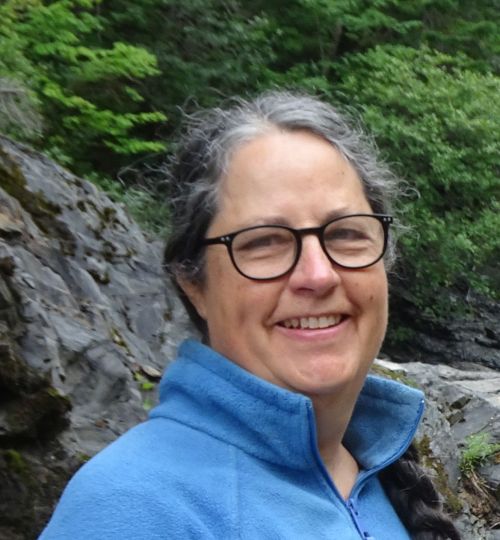
 Marjorie Turner Hollman
Great read, Marjorie. I’ll look at getting this on the BHC page.
Thank you, Jeff
Thanks so much.