
LISTEN:
Marjorie Turner Hollman supports nonfiction authors self-publish their books. She is also a disability advocate, sharing information about Easy Walks (not too many roots or rocks, relatively level with firm footing, and something of interest along the way) in open space. Let’s get in touch.
She approached me with what looked like a midget light saber. But then she flipped the switch and it started vibrating.
I was sitting in a hospital room, about to be discharged to go home and figure out the rest of my life. Alive after brain surgery, my right side had become totally paralyzed during my time under the knife. During a month of rehab I had regained some function, and could feel sensations, I just could not control much of my arm or leg. This was not good.
But that light saber… it was confusing. The woman approached, asking me to pull up my pant leg, then began sliding the vibrating rod up and down my shin.
Confused, I blurted out, “What are you doing?”
“I am trying to wake up the muscle that helps you lift your foot.” She continued, “My hope is that it will respond to stimulation and allow you to get some control over your leg.”
Hmmm, I hadn’t even known I had a muscle alongside my shin. This was news to me.

Muscles are created to move. When restrained, or immobilized, if there is any sensation, it is pain. Massage supports movement in muscles. Walking, and any other motion, if possible, helps too.
Several others had now circled around me, watching my leg with a fascination I found disconcerting. What were they expecting? The woman holding what I now figured out must be a vibrator continued sliding the hard plastic cylinder slowly up and down the length of my shin, using gentle pressure on the muscle.
We watched, and waited. I let out a sigh; I had been holding my breath. Losing track of time, I became mesmerized by the quiet buzzing. All eyes shifted to my big toe, alert for any flicker of movement.
Suddenly, there it was—just a twitch—but that was enough. The entire room broke out in cheers. Tears slid silently down my face. There was hope. If this tiny muscle could reconnect with my damaged brain, what else might heal?
With this single event, I was given a tool for healing, although the mechanism, stimulating muscles, was not clear to me. I was sent home with little idea of how I would manage every day life in this changed body.
Over time, muscles in my leg and arm regained enough function so I was able to maneuver around my home. I began figuring out finances, preparing meals with my kids, and they “took Mom for walks.” Yes, dark humor sustained us as we made our way through the bizarre world of neuro weirdness. There are few words that can capture neurological sensations that appear out of nowhere when someone is healing from neurological injury.
Most people assume I received lots of physical therapy. This presumes that I had useful health insurance. At the time, having pre-existing conditions disqualified people from obtaining health insurance other than what they already had. My surgery produced catastrophic results, so indeed, catastrophic health insurance paid for the catastrophe, but nothing else. And I needed a lot else.
Caring for my family, doing everyday things like opening windows, hanging out clothes, and walking up and down stairs, became my therapy.
I began to heal and regain movement, but there were real limits to what I could accomplish on my own. Extreme muscle pain plagued me for months as my leg, shoulder, hands, and arms slowly reestablished connections with my brain.
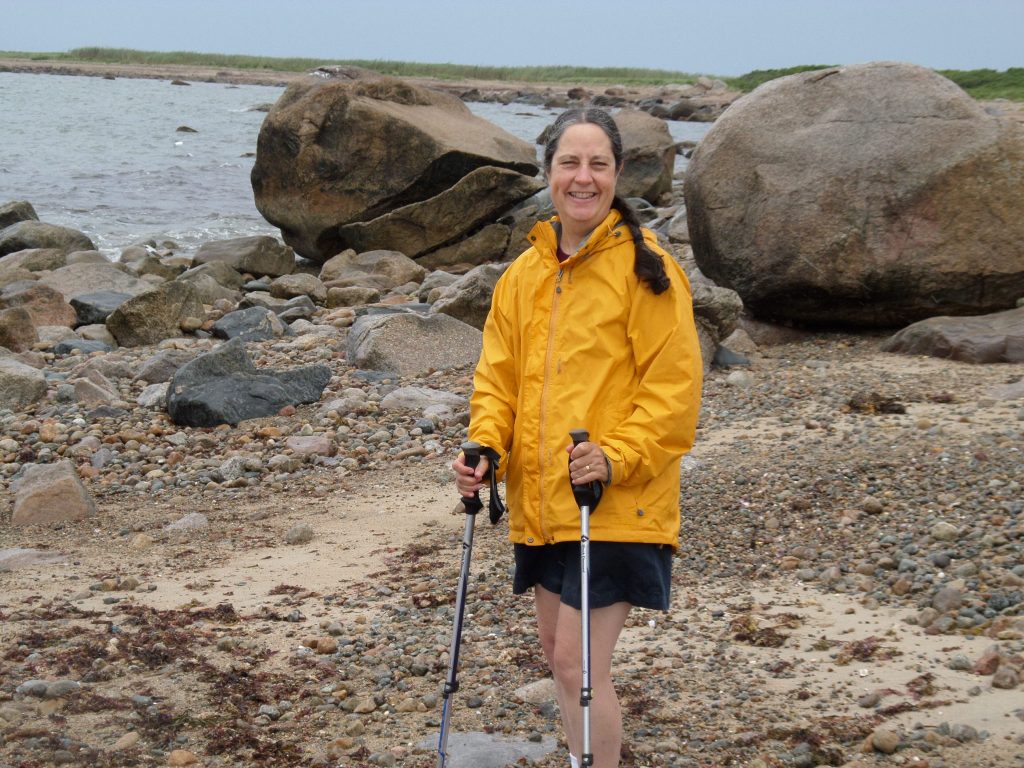
Meeting the man who would become my husband initiated many positive changes, not the least of which was enjoying our regular outdoor weekend adventures. Consistent walks strengthened my leg muscles. With each month we spent together, which have now become years, I grew stronger and able to take on more taxing physical challenges.
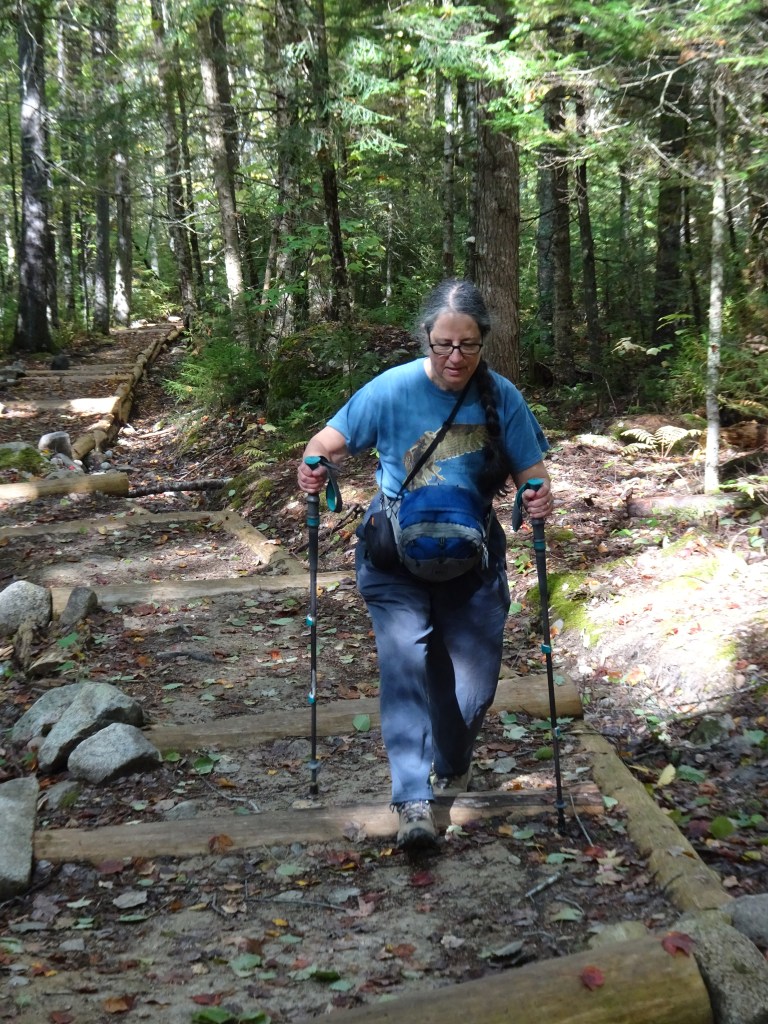
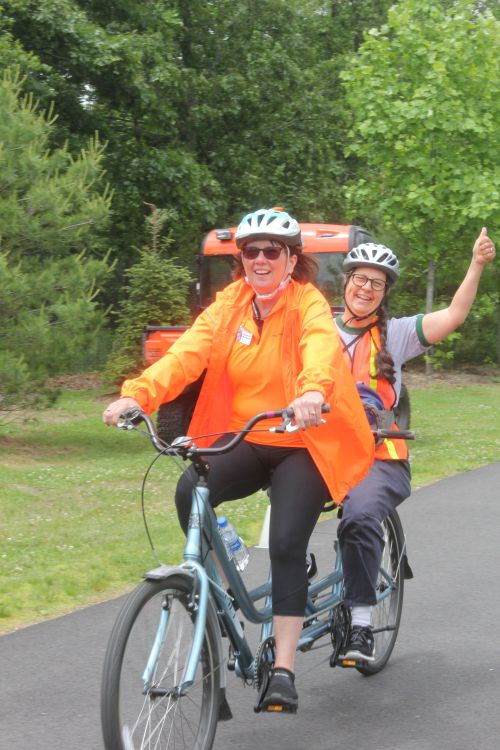
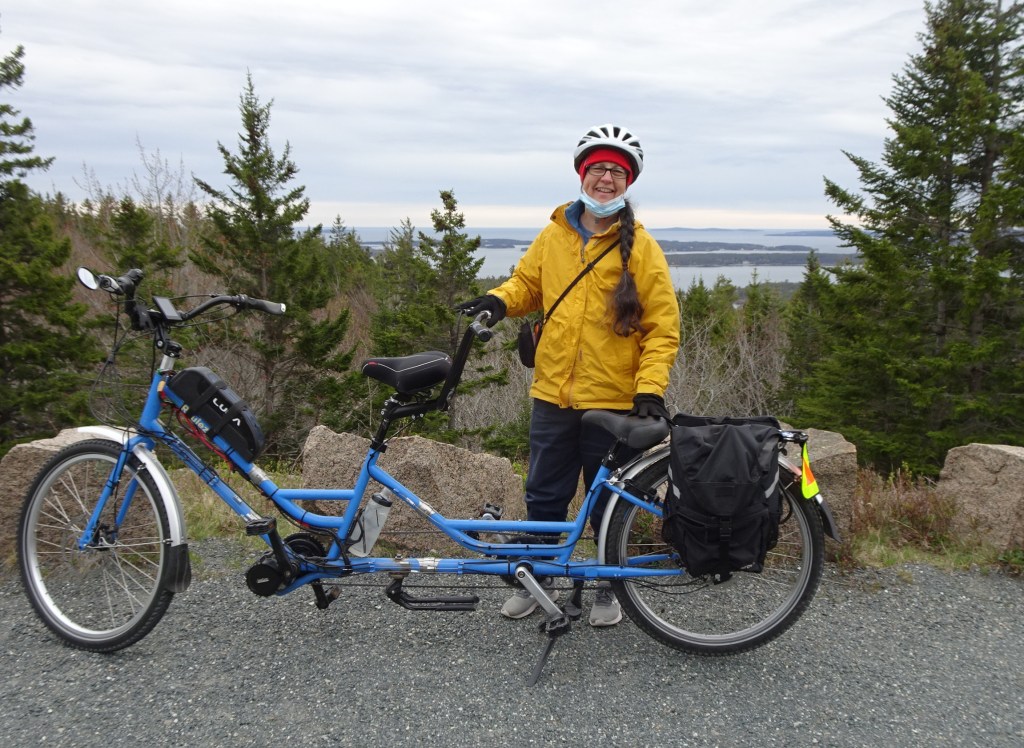
As I hit my sixties, I became aware that obvious progress in healing was abating. My leg muscles grew weaker. It became more difficult to get myself back up off the ground after falls. I began to believe that the potential for healing had reached its limit. Aging, with its inevitable decline, seemed my only path forward.
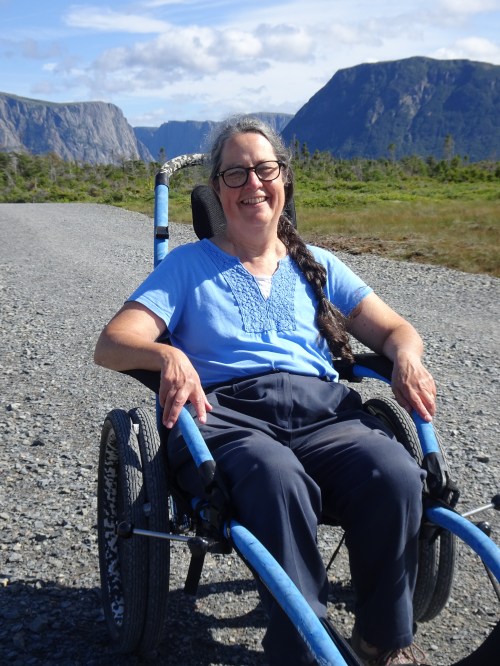
Recently, I heard about a clinical trial of medical devices that strapped around my ankles, offering gentle stimulation in hopes of waking up muscles compromised by neuropathy. Hmmm, might this have any benefit for me?
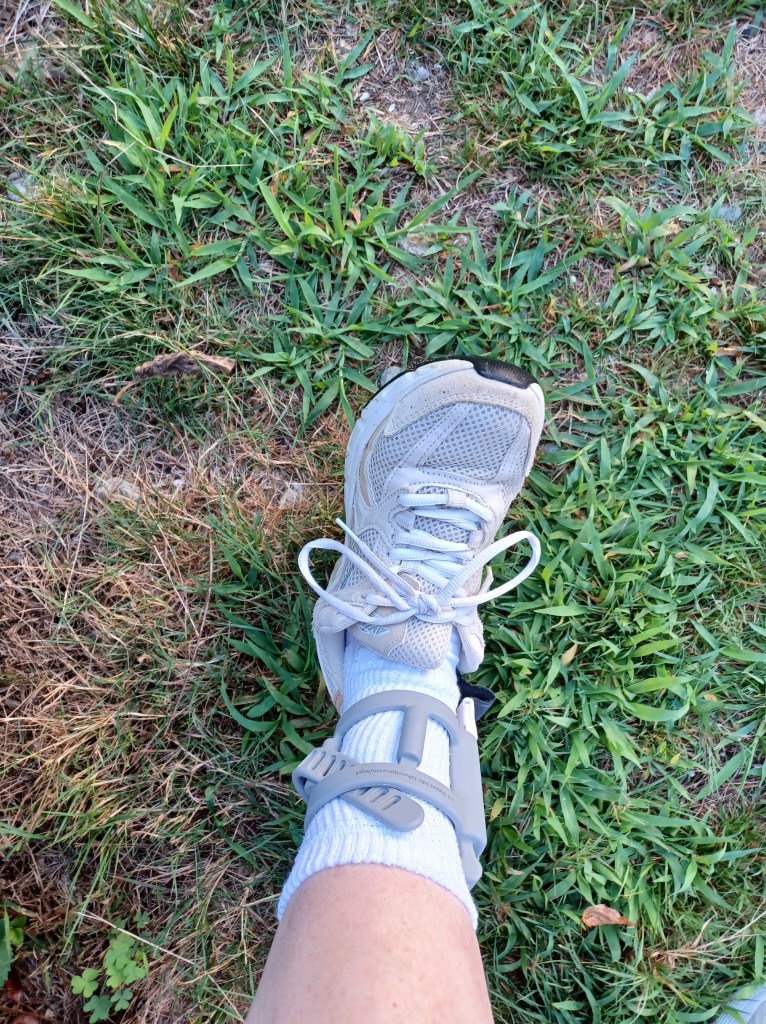
I was accepted into the trial and fitted with electronic straps that wrap around my ankles. Inserts in my shoes connect to the bands around my leg, offering a gentle buzz to my skin with each weight-bearing step I take. Learn more about Walkasins, this medical prothesis, here.
The moment I put the devices on, my gait changed. The foot drop that caused me to swing my right leg outward became less pronounced. With the very first steps I took wearing the Walkasins, it was evident that something important had shifted. Feeling those first gentle vibrations, my muscles seemed to wake up, much like the effect of that light saber/vibrator, all those years before.

Why had I not made this connection at any time in the intervening years between that first effort to wake up my muscles so many years before, and this moment when I strapped on the Walkasins? Hindsight, as they say, is 20-20.
I keep thinking back to that morning at the hospital, and wishing I had understood the process that had begun that morning. There WAS a lot else going on. Eventually I made a lot of progress, and still… What I now know is that this isn’t as good as it gets. Yes, I have hit 70. I am getting older, and certainly grayer. But the Walkasins have offered me hope.
Are my muscles happy for increase in function? They are not. For a while I felt what many of us experience the day after New Years. One session at the gym and its aftermath of sore muscles causes many of us to rethink that well-meaning resolution to exercise more.
But even as I write this, the pain has abated and almost disappeared. Is there stiffness upon waking? Sure. But the lesson that muscles are made to move has been reinforced in these past months of healing. And I am moving more each day.
Moving as much as I am able, as often as I am able helps, even when those muscles have been waiting 30 years to wake up. Like Rip van Winkle, it’s a strange world to find oneself in after such a long sleep. But it gets better. Of that, I have become convinced.
For me, pain is a great motivator when the discomfort is relieved by movement and produces healing. Chronic pain is a completely different animal, and requires very different approaches.
As for me, it’s time to head for the treadmill, where every step feels like a win, especially when my Walkasins are doing their job too.
Marjorie


wonderful to see such hope for the future!
Indeed. Pretty amazing.
What an amazing time for you in your mobility! I’m really so happy you are making such progress.
Thanks so much for reading and commenting. Yes, it is progress and I hope my experience offers encouragement to others.