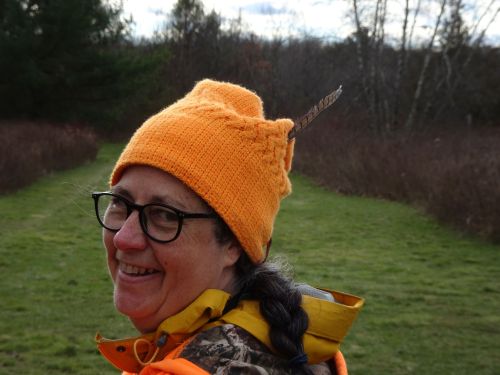
Marjorie Turner Hollman helps authors self-publish their books. She is also a disability advocate, sharing information about Easy Walks (not too many roots or rocks, relatively level with firm footing, and something of interest along the way) in open space. Let’s get in touch.
LISTEN:
Have you ever said, “I can’t write.”? Maybe you have insisted, “I’m not a good writer.” Or, God forbid, someone has told you, “You can’t write.” If this sounds familiar, I have some good news. Writing (and drawing, painting, and so many other creative endeavors) are not gifts. They’re skills that can be improved with practice.
Where to start
The most obvious first step is to write! Journaling is fine, but since this type of writing is typically private, you most likely have no audience in mind. Ask yourself, “Who am I writing to?” In other words, who do you have in mind as you write? If your answer is “everyone,” think again. Start small. Think small. Picture one person. Can you see them? Are they someone you know and trust? Write for/to them.
Repetition is not a magic wand
Simply doing the same thing over and over without getting any feedback, any helpful, or informed suggestions, is a recipe for frustration. Skilled writing support, however, is not always easy to find. Some who offer advice are more trustworthy than others.
Mentors come in many shapes and sizes. They can be editors, or teachers.
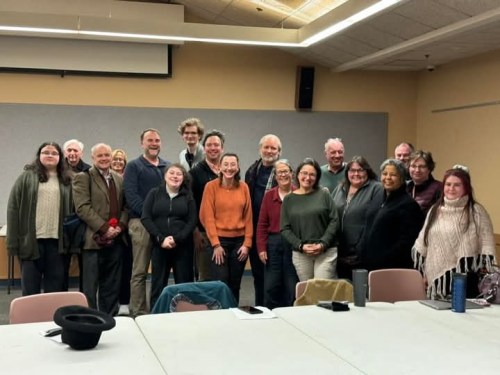
Members of your writing group can qualify.
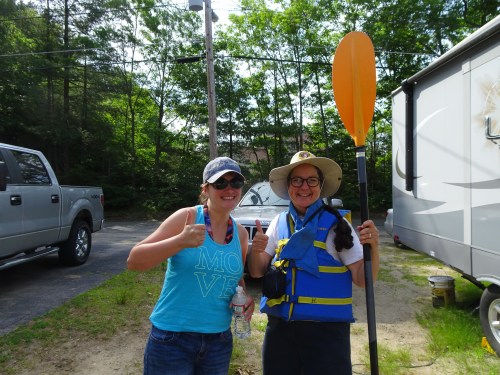
Writing coaches specialize in supporting aspiring writers (for a fee).
Recognizing opportunities
Over the years, when I sense an opportunity, I’ve learned that it’s important to give that door a nudge. What kinds of doors?
Following up on a conversation.
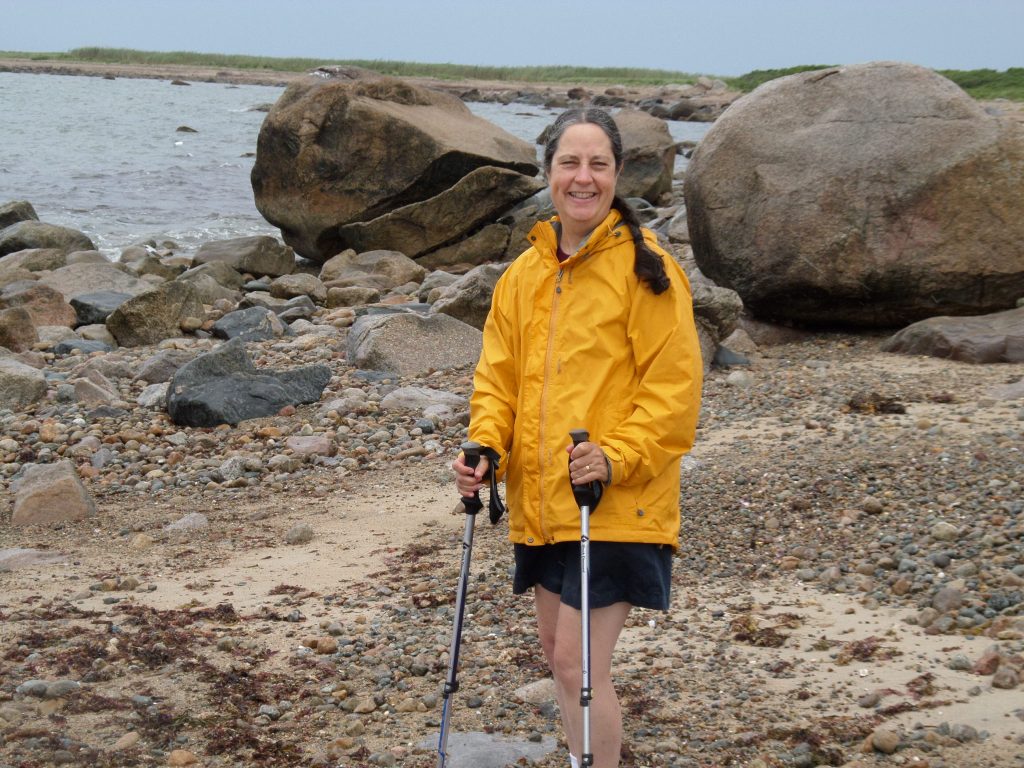
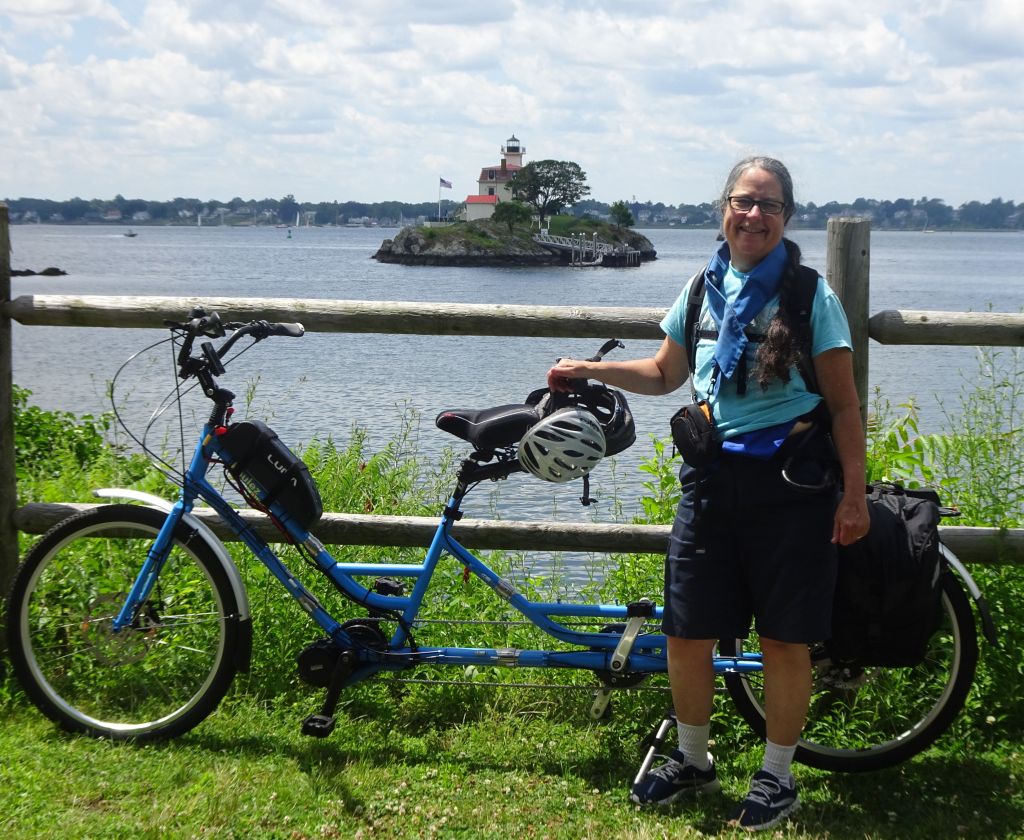

Trying out a new way of moving—dancing, running, mindful walking—moving thoughtfully can have a profound impact on how you see the world.
Making the time to read newsletters on various topics.
Checking out books from the library.
Signing up for workshops that offer information on multiple topics.
Volunteering.
One of my volunteer jobs prompted me to contact our local newspaper to see if we could publish a press release about our community event. Rather than simply saying “yes,” the editor took the time to talk with me. By the end of our conversation we had agreed that I could try writing an article for the newspaper she published, (and she published our press release!).
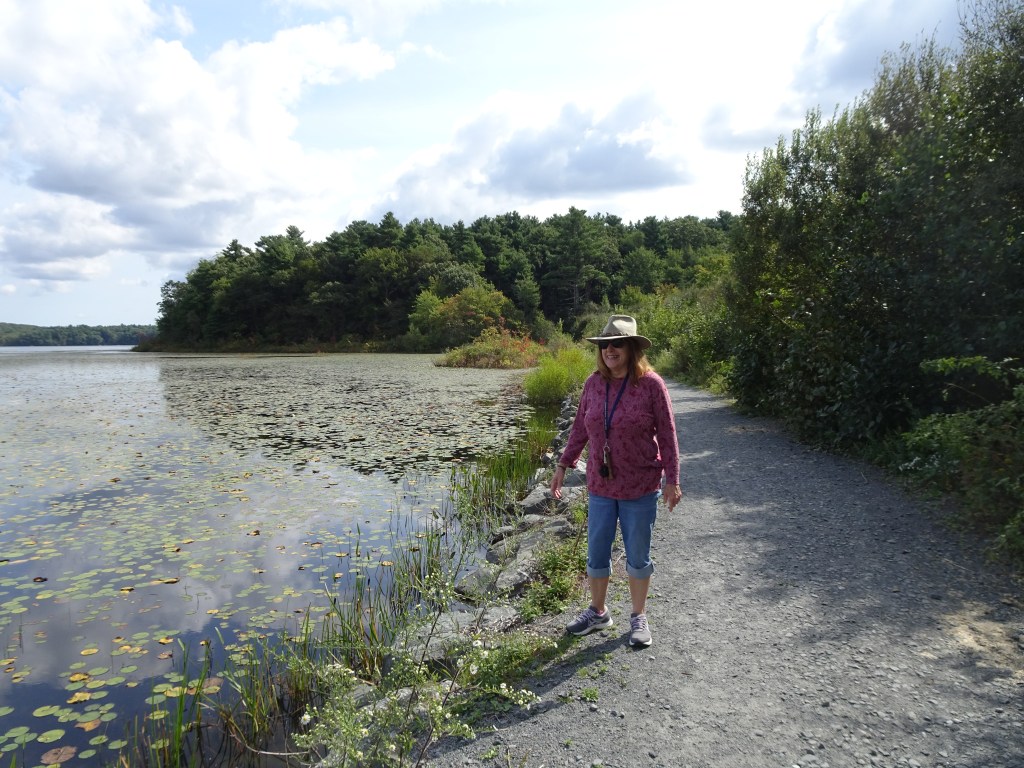
My simple volunteer commitment to promote a community event resulted in connecting me with the person who became my writing mentor for over twenty years. She still mentors me. And now I mentor her too as we partner in my self-publishing support services business.
Reflect, but be kind in your reflections
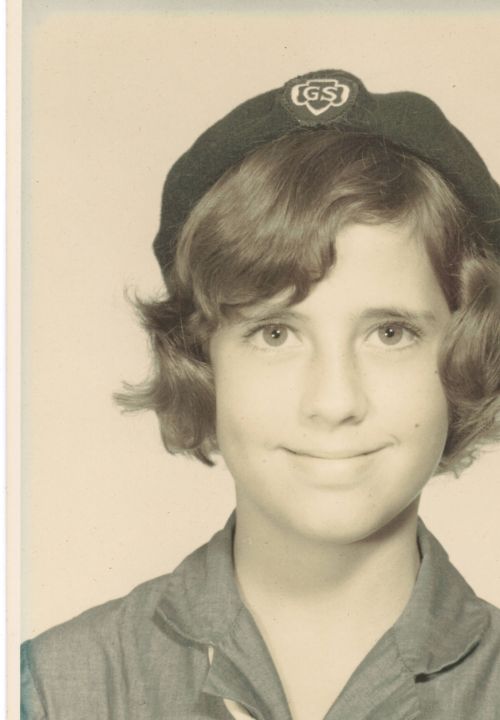
When I look back at some of my early writing efforts, I cringe. I really did not have much skill as a writer. There was so much to learn. (There still is!) But I was persistent, a character trait that has stood me in good stead. This essential aspect of my personality was not always appreciated by my family. It turns out that perseverance is an important characteristic of those who are able to be resilient in the face of challenges.
You’re still sure you’re not a writer?
Is it something you secretly wished you could do but felt it was out of reach? Some of the challenge is to figure out what you think a writer actually is or does.
Does being a writer confer fame? Not likely.
Will calling yourself a writer give you a sense of accomplishment? Possibly.
Are you afraid you’ll be called out as a fraud if you claim you’re a writer but have not yet been published?
Newsflash: Writers write. Publishing is a side light of writing, not the main event.
Do you imagine that every self-identified writer is confident, accomplished, and well-paid? Um, probably not.
Why even go to the effort to become a writer who shares words people might or might not want to read? It may be that you have something important to say.
At some point, I recognized that I had ideas that were worth sharing. Not with the world, but with a specific audience.
Worth the risk
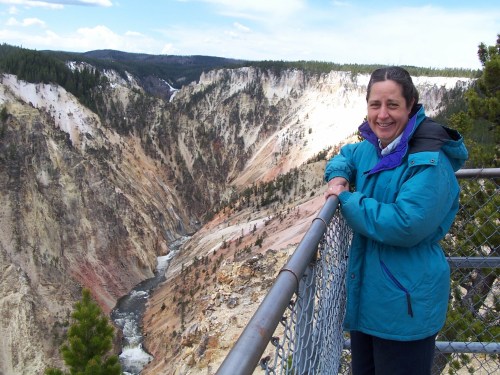
I learned many years ago that some things I was most afraid of, (like speaking or singing in public), were risks my spirit needed me to take. What held me back was my fear of looking foolish. When I found the support and doors that cracked open, the fear abated. I have often looked back and wondered why it had felt so hard.
A common denominator became evident. When I faced challenging life changes, someone came into my life who offered the support I needed. Their encouragement gave me the courage to risk what up until then had felt insurmountable.
Sometimes I heard what I recognized to be a perceptive observation. This person might not even have realized how important their presence was at that moment. Others came into my life and have stayed the course, being ready with a helping hand just when I have needed it most.
There is no formula
I cannot supply a formula for moving ahead. For me, it was and still is being willing to be curious, and to believe that change is possible. Learning to ask for help while allowing room for people to say “no,” is a life skill that will stand you in good stead.
Take another look
If you find yourself insisting “I’m not a writer,” ask yourself why it’s important that you keep that door shut. Is it something you have talked yourself out of? Has someone in your past given you that message, and you believed it?
Take a look at why putting your thoughts down on paper (or a word processor or tablet or even with spray paint!) is something you think you cannot do. If you are willing to take the risk, try a baby step. Write an email to a friend. Tell them what happened to you today.
You may already be doing this on social media. Look at the comments you are sharing. Take a serious look at what you write. You will most likely see that your thoughts are expressed without the conscious judgment you feel when you imagine undertaking other types of writing.
Once you start paying closer attention to how you share your thoughts, you might learn that, indeed, you have become a writer, and hadn’t even noticed.
The next step
Name it. Claim it. Choose to write to an audience of one. Then do it again. Before long, it’s likely that your audience, which may have grown, considers you a writer. You may surprise yourself. As for me? I won’t be surprised at all.
Marjorie
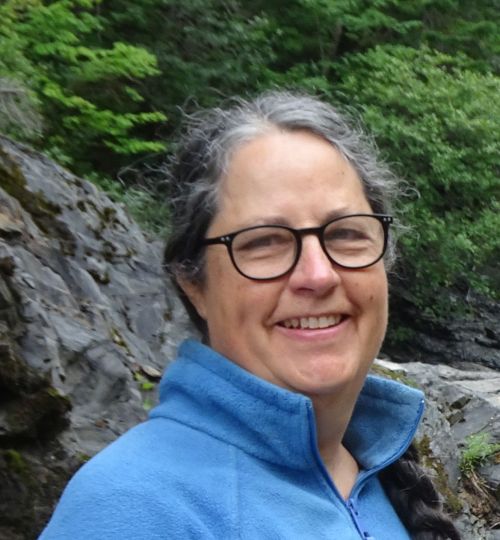
 Marjorie Turner Hollman