

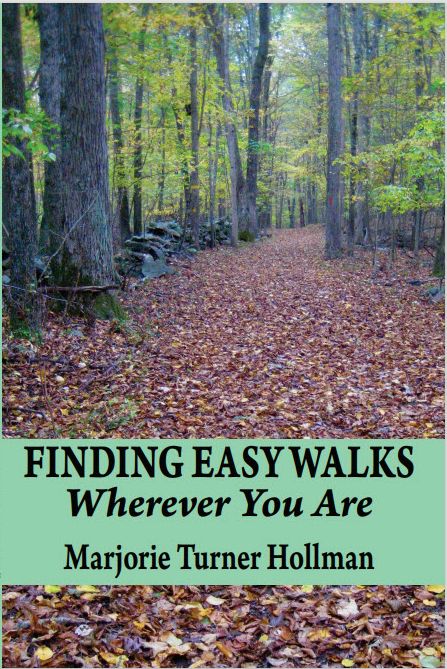
One of my trail books, Finding Easy Walks Wherever You Are offers lots of information to support those with mobility issues, including elders, parents with small children who need to use strollers, those who have been recently injured, and others who live with chronic mobility challenges. It also offers support to those who have simply never spent very much time on trails.
You may never plan to climb Mount Everest. (I have no plans to either!) Regardless of your challenges, the outdoors is not off-limits . With this in mind, I offer these suggestions:
6 “must haves” to bring with you on your next walk

- Appropriate clothing
Boots in good condition with lug soles will prevent slips and falls. Socks with good elastic will not slip inside your boots. (We line dry our hiking socks to keep the elastic from quickly wearing out in the dryer). Sun hats keep you from overheating or getting sunburns. Winter hats, mittens (not gloves) and layers of clothing help keep your body temperature in safe bounds. Comfortable pants with pockets offer a safe place to keep things like keys and cell phones.
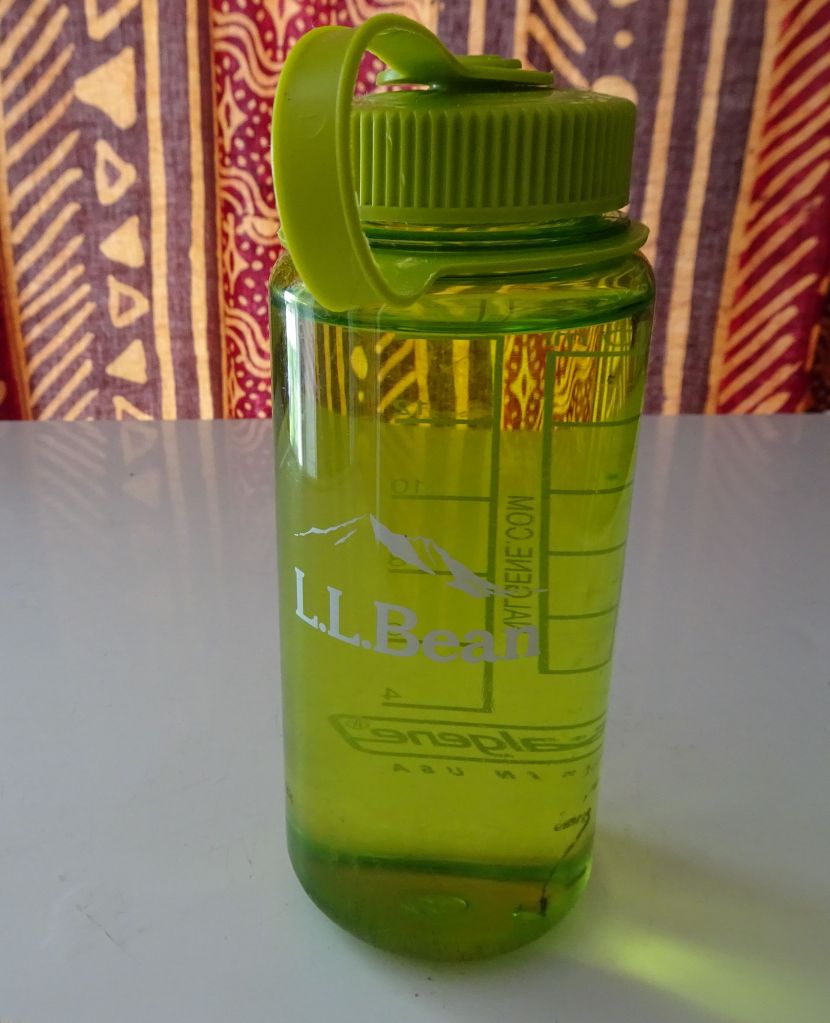
2. Water in a tightly sealed container
Having water along on a walk is essential, especially in warmer months. In case of sunstroke, overheating, or suffering minor injuries, have a supply of fresh, clean water can make the difference between having to deal with an emergency and arriving back to the trail head in good shape.

3. Small pack to keep your belongings safely stowed
Purchasing expensive backpacks in not necessary. While there are many choices of smaller packs on the market, many of us have school back packs in the closet that will work great on the trail. Make sure you choose one with no holes!
Keeping your hands free to manage any obstacles on the trail is a great safety practice. Juggling water bottles, cameras, binoculars, and other things you thought to bring along can be distracting, and cause possible injury.

4. Headlamp to keep your hands free
Especially if you plan to be out close to sunset, having a lightweight headlamp in your pack in case you’re been delayed is a great tool to bring along to assure you see the trail on your way back home. Familiar trails look very different in low light.

5. Snacks for yourself and companions
Some gorp (high protein snack that includes nuts, chocolate, pretzels or other starchy snack) or protein bars can make the difference between feeling wiped out by the time you return and having the energy to keep an eye out all the way back to the trail head.

6. Fully charged cell phone
While cell reception can be spotty in mountainous and hilly areas, it’s still a great idea to have a fully charged cell phone within easy reach. Most phones take great photos, and you never know what you might see that you’d like to share with friends or family. Apps like Rockd https://rockd.org/ help identify underlying geologic formations you are walking through, or INaturalist https://www.inaturalist.org/ for plants can add extra fun to your outings. Of course, a gps app can help orient yourself in case you have taken a few turns on the trail that have left you feeling confused about how to find the way back to your car.
Additional “Must haves” depending on your situation
You may have additional “must haves” that are needed for your comfort and safety.
If you have allergies and use an epi-pen, or an asthma inhaler, be sure to bring it along in an easily reachable place, and make sure your companions know where it is in case of emergency. We share the outdoors with stinging insects of various sorts. Exercise, and exposure to elevated humidity and heat can increase vulnerability to asthma attacks. Even for a simple walk in your neighborhood, if you have these medical aids, they should be included in your “kit.”
If you have concerns about your balance, bad knees, illness or injury, consider using hiking poles with rubber tips to help maintain stability.

In colder weather, bring extra clothes.
Depending on weather reports, rain gear in good condition is light, easy to bundle up in your pack, and good to have on hand for that unexpected down pour.
Your “kit” will vary with the season, and your individual needs and preferences, but having these few items in one place, ready to go when you are, will go a long way towards keeping you safer, and insuring you have a more enjoyable time in the outdoors.
Whether you venture on a new trail, or stay close to home, taking a little time to educate yourself, and being prepared, will help make sure that you look forward to “next time” whenever, and wherever it is. Happy Trails!
Marjorie

Marjorie Turner Hollman is a writer who loves the outdoors, and is the author of Easy Walks in Massachusetts, 2nd edition, More Easy Walks in Massachusetts, 2nd edition, Easy Walks and Paddles in the Ten Mile River Watershed, Easy Walks South of Boston and Finding Easy Walks Wherever You Are. Her memoir, the backstory of Easy Walks, is My Liturgy of Easy Walks: Reclaiming hope in a world turned upside down.
 Marjorie Turner Hollman