
LISTEN:
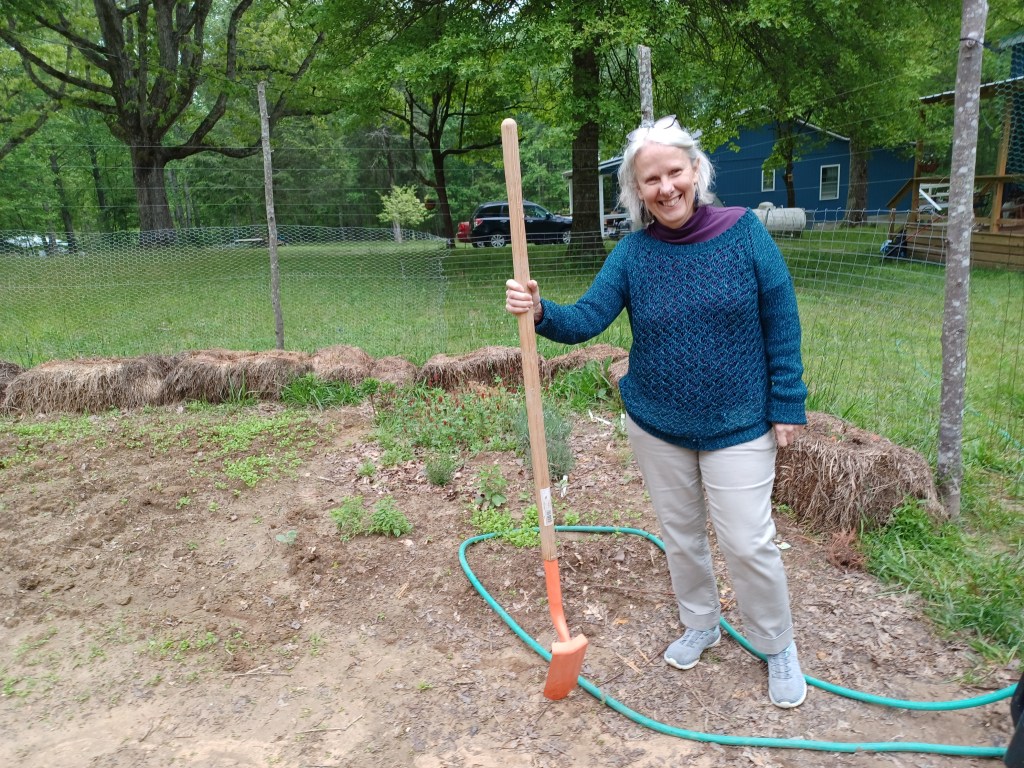
Marjorie Turner Hollman helps authors self-publish their books. She is also a disability advocate, sharing information about Easy Walks (not too many roots or rocks, relatively level with firm footing, and something of interest along the way) in open space. Click to learn more.
Something interesting can happen when we turn up old earth in a garden. Plowing a familiar furrow may lead us to encounter, when we’re lucky, something different, perhaps a pretty fragment of an old china plate or glass bottle.
We may worry, when writing, that we are covering old ground. Or, as teachers sharing the same lesson with different classes, we review the same concepts, over and over! However, the repetition itself may, without our realizing it, bring change into our lives. And that can make all the difference.

“How the Sea Became Salt” is a folktale; it is told with variations in different cultures. In the early years of my storytelling career, it was one of my favorite stories to share. In the story, there are two siblings, usually brothers; one wealthy, (for our purposes here, we’ll call him Erik),and the other not so well off.
The poorer brother (let’s call him Alex) somehow acquires a magic grinding mill (think pepper grinder, if you are casting about for an image to add to the story). When asked, the mill will produce quantities of whatever the owner commands. Feasts, supplies, money, etc. The secret? Using the right words to ask for the blessing of abundance.
The command, “Grind mill, grind bread” could produce a bakery’s worth of food. But once the table is at the breaking point? “Stop, mill, stop!” spoken firmly, with authority, will halt the mill as suddenly as it had started. Alex uses the mill to bless his neighbors, to help meet others’ needs and to bring joy to his community.
Erik hears of the mill’s wonders and, dreaming of even more riches than he already possesses, offers to purchase it. Alex explains that it is a powerful gift that he has been entrusted with. It is not for sale.
The story continues with wealthy Erik breaking into Alex’s home under cover of darkness, stealing the mill and setting out to further enrich himself. Rather than testing the mill’s abilities with something simple, he goes straight for what will garner him the richest reward.
Salt being a precious commodity at the time, this greedy brother, who lacks knowledge of how the mill truly works, commands the mill to grind salt. The mill begins grinding out salt with a vengeance. Now he will be even richer, possessing untold wealth.
But then, the mill continues as it has been commanded, churning out more and more salt until Erik is engulfed in what he has desired. Recognizing the peril he faces, he resorts to strategies that have worked for him in the past.
“Stop that right now!” No luck.
“That’s enough,” he cries. Nope, not stopping.
Even, “You should be ashamed of yourself!” Feeling no shame, the mill just keeps grinding.
Eventually the salt spills into the sea, and this is how the ocean became so salty. At least that’s the story.
As I told this tale to various groups of children over time, the arc of the telling began to change.
When Alex discovered his brother’s theft and abuse of the mill’s gift, my initial telling of the story described how he stepped in and saved his brother’s life. He spoke the needed incantation, and the mill obeyed its rightful owner. He then raged at his selfish brother for the twin betrayals of stealing a precious gift and then misusing the mill for his own gain.
Over time, as I told and retold the tale, I found Alex’s rage softening, and eventually becoming transformed into deep sadness. Grief over the loss of trust, and relationship with his brother replaced his anger.
After one particular storytelling session, it dawned on me. Alex’s movement from rage, in my earliest performances, to grief in my later telling of the tale, reflected the shifting of understanding in my own life, broken by divorce and serious personal betrayals by people I had trusted.
Restoring firm boundaries in my life did not occur in a straight line. It took time to find my way through the morass of my feelings, back to solid ground. Somehow, the telling and retelling of this folktale allowed me to inhabit Alex’s character and express strong feelings in a way that felt safe for me, while not placing undue burdens on my (usually quite young) audiences.
Without purposeful intention, I was changing, moving from rage, to anger, to resentment, then finally toward forgiveness.
No one was more surprised than I to witness Alex’s change of heart as I told and retold the story. Though I did not realize it at the time, I had been telling the story to myself. As the storyteller, I walked in the metaphorical shoes of the generous brother, Alex, and my rage and fear became replaced by sadness and perspective. Each telling of the story released a little more of the anger and hurt stored inside my soul.
Thus, when I hear those who bemoan the drudgery of repetitive chores—housecleaning, bill paying, or running errands, and the painful enduring of repetition—I think of this story.
If I hadn’t been willing to repeat, then repeat again the same tale, allowing it to work its magic in my own life, I might not have recognized the healing that was occurring. Without this story entering my life, I could have missed the profound effects it had on me, and I might have remained stuck in a much darker place.
Most of us hunger for change, but we chafe at the boring tasks that may become the exact tool needed to accomplish important change in our lives. The friction between how things are and how we want them to be opens a space for learning, with rewards we might never have imagined.
But first, we have to do the work. Rather, we have to tell the story and let it work in us.
Marjorie

 Marjorie Turner Hollman