Marjorie Turner Hollman helps nonfiction authors self-publish their books. She is also a disability advocate, sharing information about Easy Walks (not too many roots or rocks, relatively level with firm footing, and something of interest along the way) in open space. Let’s get in touch.
LISTEN:
I was a very reluctant writer. Formal writing requests were unwelcome, since I sensed that critical parent at my shoulder admonishing me. “That’s terrible grammar,” the voice in my imagination scolded. “That’s really stupid, no one will want to read this,” was another message lurking in my brain. Or that motivation-killing script? “You really do not have anything important to say.” Does any of this sound familiar?
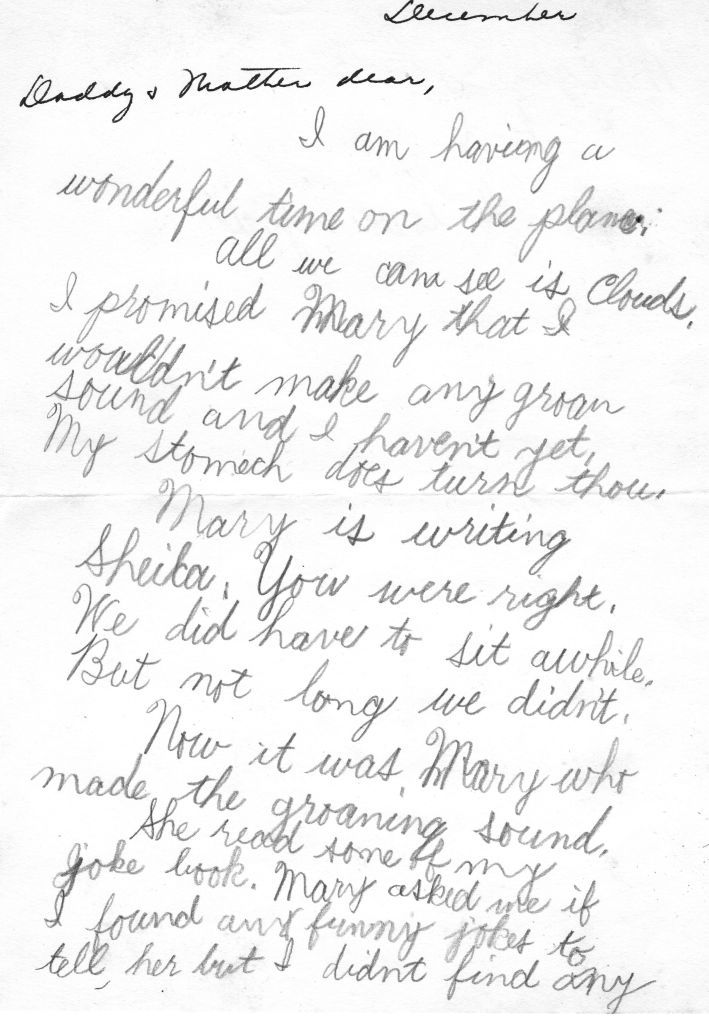
I went to great lengths to avoid “writing,” even as I faithfully sat down with paper and pen, tucked handwritten messages into envelopes, then mailed them to family and friends. This was in the days of snail mail, although we simply called it “writing and mailing letters.”
You see, that writing was aimed at a specific audience. I was thinking of one person as I recounted details of weather, health, visits with friends and family, and other adventures with my young kids.
My only purpose in writing was to stay connected to people I cared about. No pressure. My letters were welcomed, and in fact, Mom saved every letter I wrote. After she died I found a folder she had stuffed full of my letters.
After a major health crisis, I found myself in the serious predicament of being unable to walk unaided across a room. My options for gainful employment were limited, to say the least. I did, however, have a desktop computer and could email friends and family.
These were “just” emails, (like snail mail, no pressure), so I put aside my writing inhibitions and typed out stories of my kids and neighborhood children’s antics. Neighborhood adults supplied some great writing material too. Surprisingly (to me), my correspondents wrote back, encouraging me to write more.
My cousin challenged me to write daily and I took her admonition to heart. I heard later that she had hoped I would make the commitment to write regularly. Instead, I churned out daily essays that, looking back, are remarkably coherent and at times, insightful.
The topics I shared grew more wide-ranging. Reflections on lessons learned while living in a changed body became “grist for my mill,” as it were. Among all the daily letters I sent, these meditations provoked some of the strongest responses from my readers. Receiving direct feedback pushed me to record more of these thoughts.
These days an odd wistfulness sometimes strikes me, a longing for the times when “revelations,” or insights, were an almost daily occurrence. When life feels somewhat mundane, with little of the chaos of days past, (like my life is presently) there doesn’t seem to be as much to talk (or write) about.
At these times I remind myself of a conversation I read between two characters in a book. The dialogue likely was in one of the Lord of the Rings trilogy, and the characters were in Elfland for an extended rest. One bemoaned to the other about what a boring existence they were enduring. The response has stuck with me. In so many words, what I recall reading was this: “When everything is going well, there’s not much to tell. It’s when things go wrong—that’s where the stories are.”
Does this mean you need to manufacture chaos to be a good writer? God forbid! The most important action you can take, besides writing every day, is to pay close attention. Note your surroundings. Record the details and include references that involve your senses.
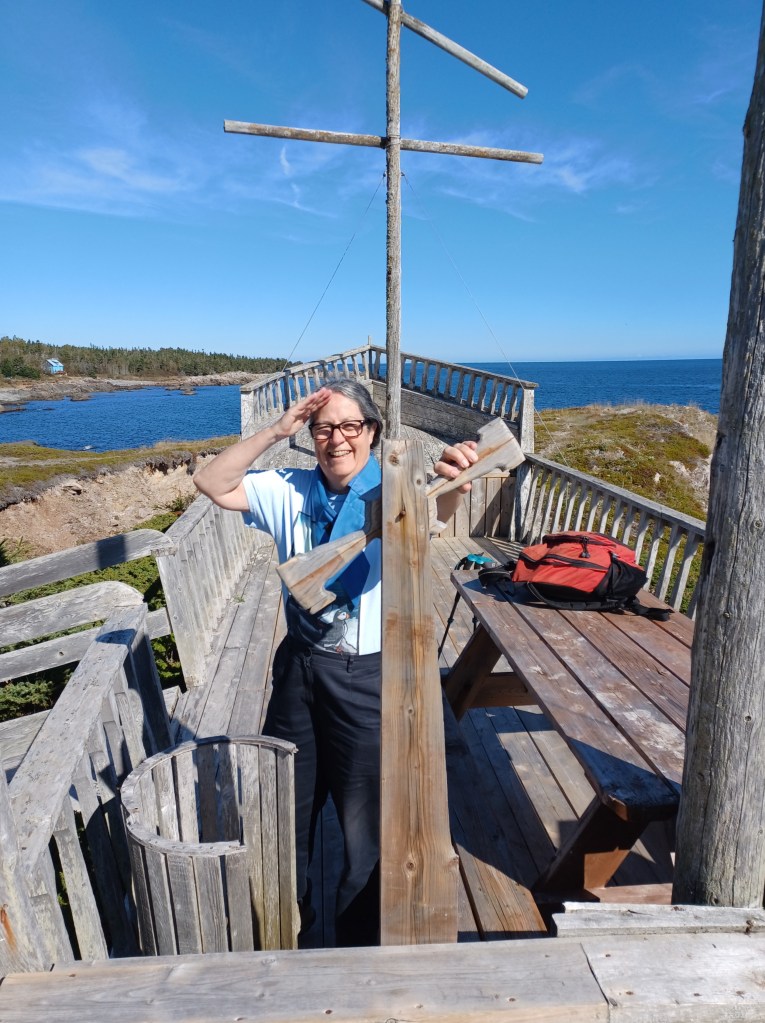
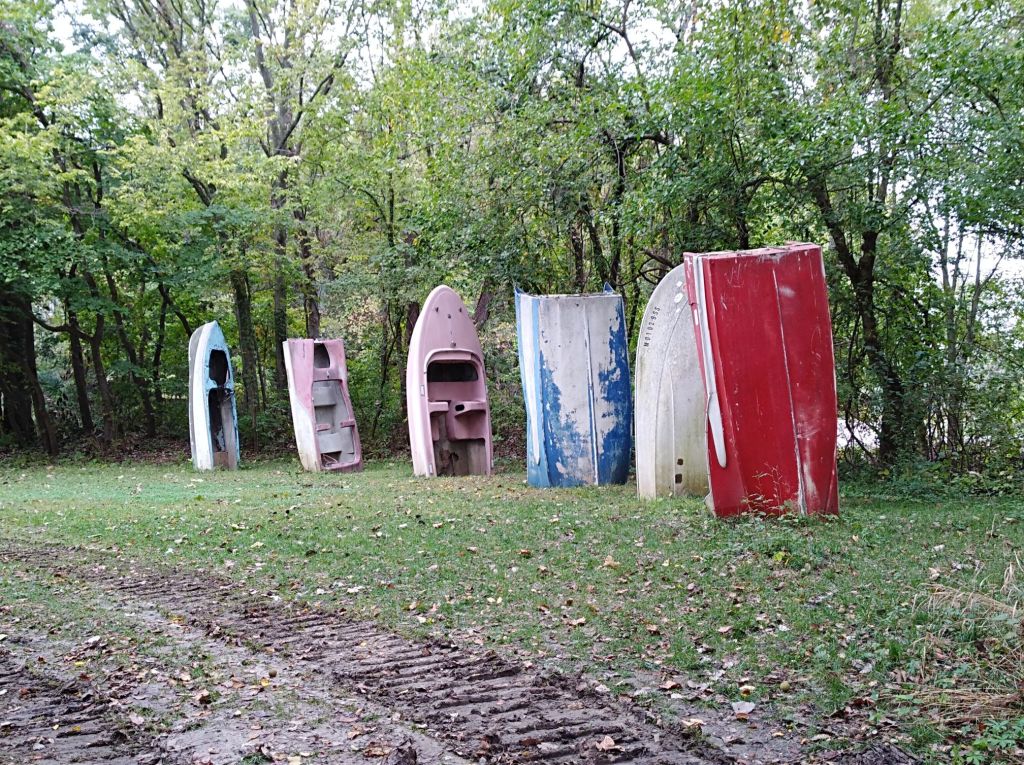
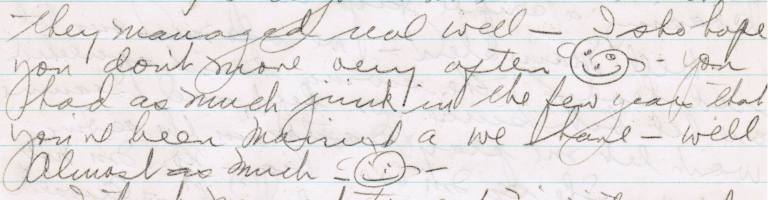
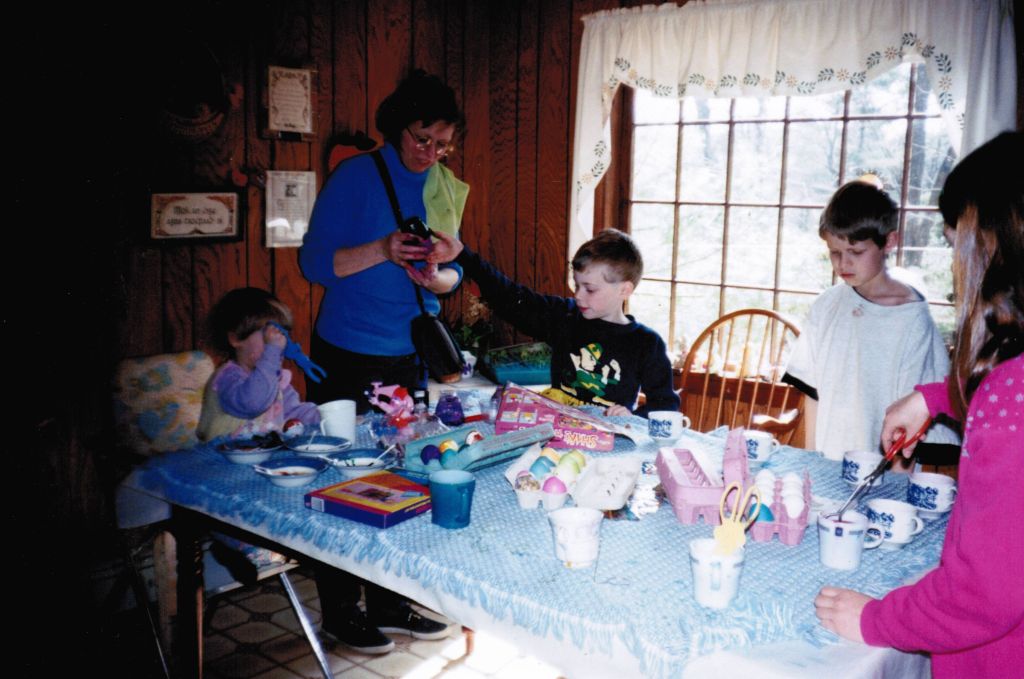
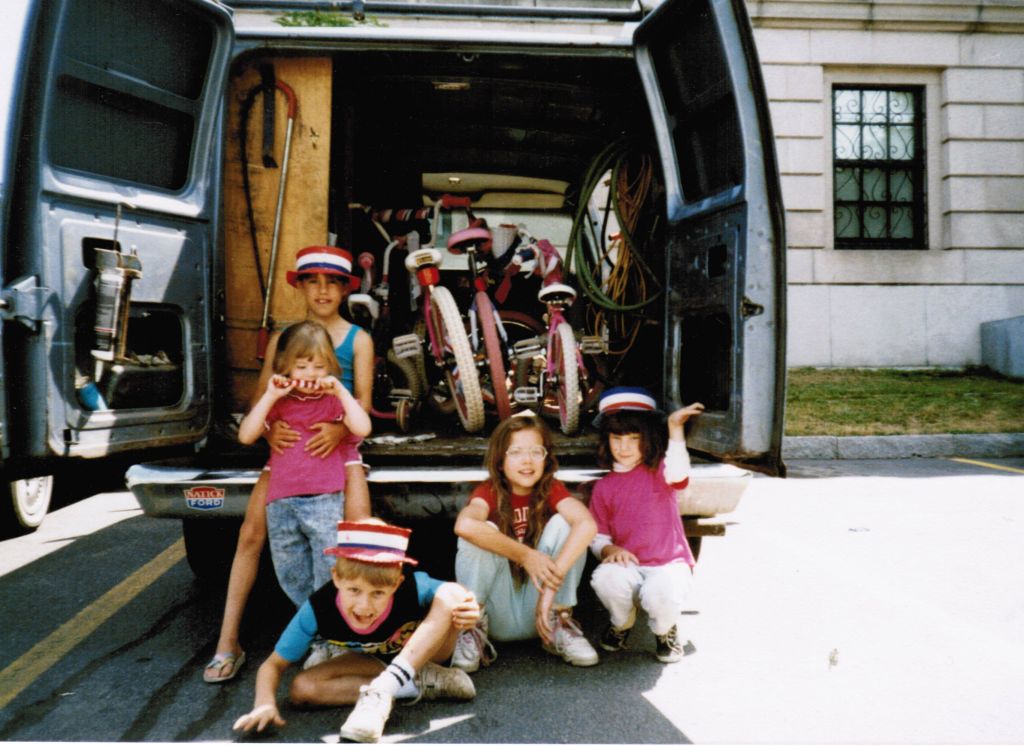
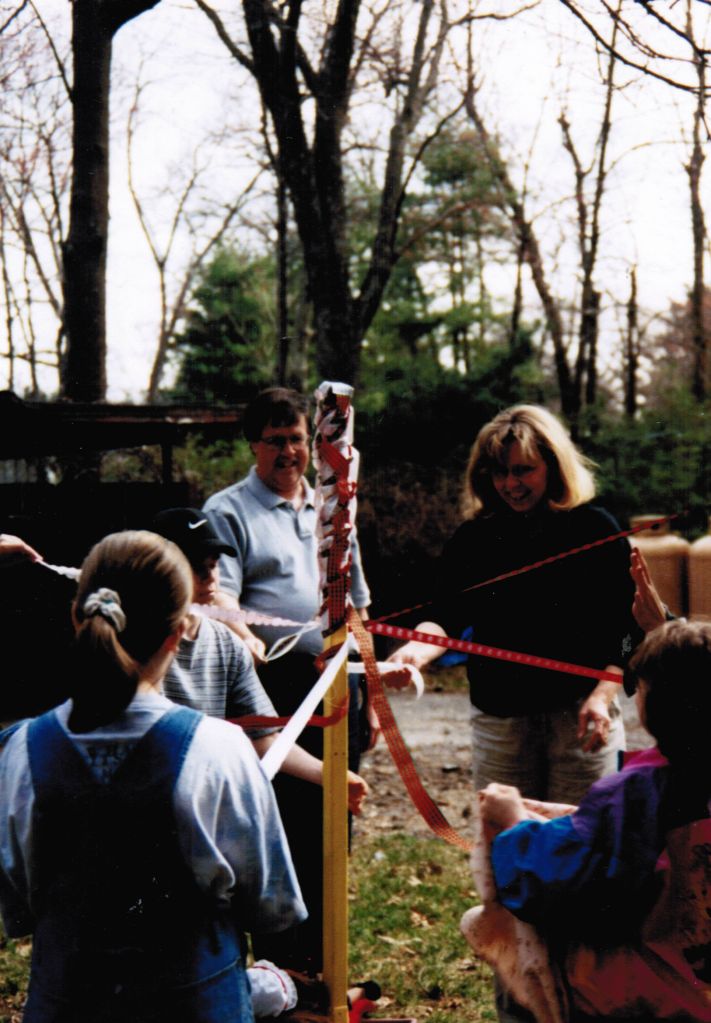
“Write what you know,” is a common admonition for those of us unsure about what to write. (I often write about things that make me smile, like these pictures above.) Much of what it takes to become a good writer is being able to draw on memorable observations. Some writers keep index cards and a pencil in their pocket (a note taker app on your phone works well too) to record overheard intriguing patterns of speech.
When you’re with others, listen for turns of phrases, and pay attention to those quirky ways people express themselves. Rhythms of speech. Unspoken methods of communication. When you find yourself in a group of people, purposely step back and observe. If it appeals to you, this self-assignment can lessen the social anxiety of feeling on the fringes in a crowded space.
Unless written down, you will forget what caught your attention— I promise. Same for interactions you’re certain are seared into your memory, for good or ill. They might not be as permanent as you feared (or hoped), which is probably a good thing, but could also be a lost opportunity.
Resistance is a feeling that deserves respect. When facing injustice, unfairness, or your personal boundaries are being violated, resistance is essential. When our reluctance is internal, however, motivated by fear, it’s important to think hard about how we might respond.
Many of the things I felt the most anxiety around—singing in public, speaking in public, and yes, writing, were exactly what I most needed to try. Did I become a famous singer? Um, not that I have noticed. Is my public speaking skill in high demand? There was a time during the pandemic…. And my writing? Well, here I am doing it in public.
What I deeply feared has come to bring me great joy, and has created opportunities to connect with others on a level I never imagined. Some values are worth standing up for. Other challenges may be worth surrendering to, at least for a while. Try giving yourself the opportunity to experiment with attempting something that feels uncomfortable.
Reluctance can be a guidepost. Take the time to stop. Stay with the feeling. Imagine what it would be like if you used that signpost as a guide, rather than a barrier.
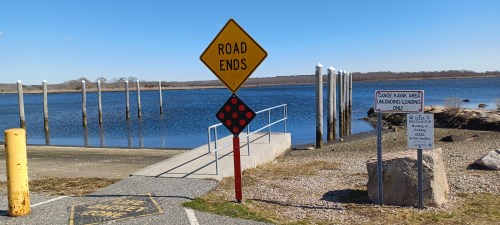
What if, rather than seeing your resistance as a stop sign, you transform it into a yield, “Turn here,” or maybe a “Right turn after red with caution.”
If I’m behind you, I may tap my horn, but it’ll be a friendly toot. Just a nudge, I promise. Look both ways, then move. You’ve got this.
Marjorie
 Marjorie Turner Hollman