

LISTEN HERE:
Marjorie Turner Hollman helps authors self-publish their books. She is also a disability advocate, sharing information about Easy Walks (not too many roots or rocks, relatively level with firm footing, and something of interest along the way) in open space. Learn more.
My dad could do anything. Really. Whenever my siblings or I got stuck trying to complete any practical task, we turned to him, and predictably, he was able to fix, open, close, or repair it. Every single time.
It was amazing. Baffling. After performing what felt, to us, like a magic trick, he’d smile, and hand us back whatever we had struggled with. That stubbornly stuck jar lid? Unstuck. Batteries that refused to fit into a toy? Obediently slid into place. Appliances that wouldn’t work? Suddenly able to function properly.
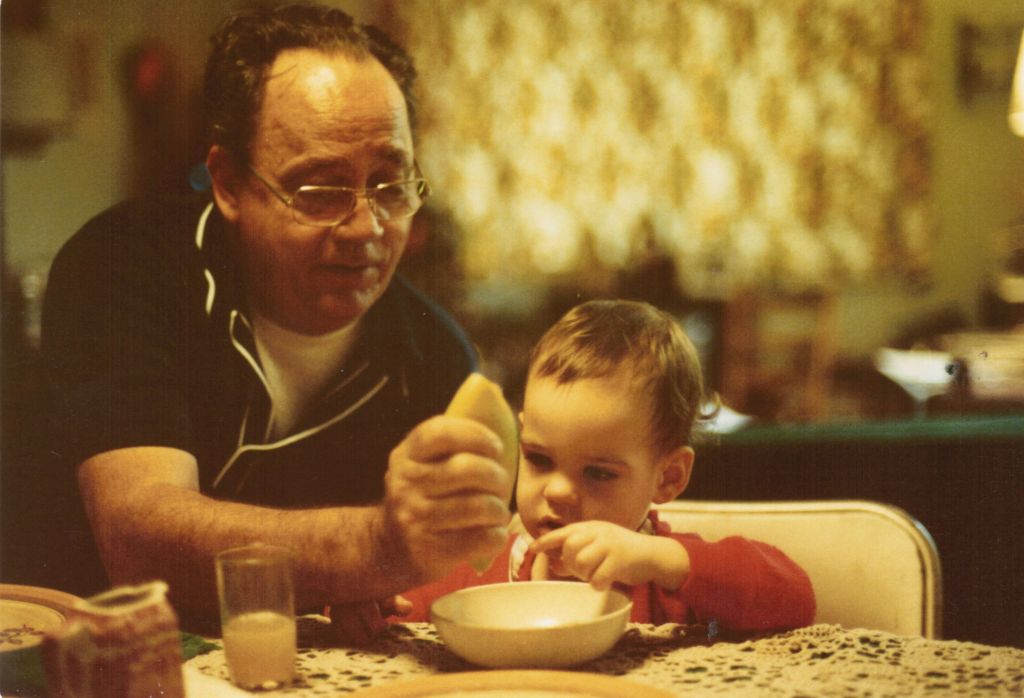
Consistently amazed, we always asked, “How did you do that?”
His standard response? “It’s how you hold your mouth,” said with a twinkle in his eye.
We grew up hearing this, so we got used to hearing this phrase. It often made us laugh, even as we wondered….
But claiming it himself? This always made Dad laugh.
When he heard someone outside our family reference a confounding problem, he often pulled out his stock explanation. “Well, to do that, you really have to know how to hold your mouth.”
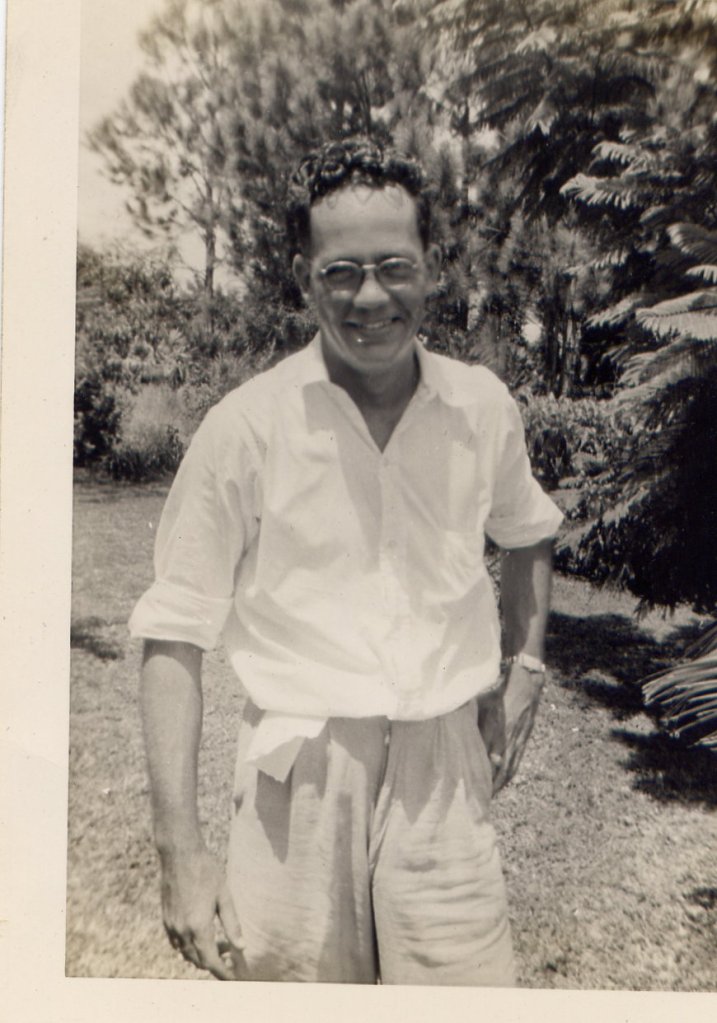
He had a talent for deadpan, so when he inserted this nugget of wisdom into the discussion, conversation invariably ground to a halt.
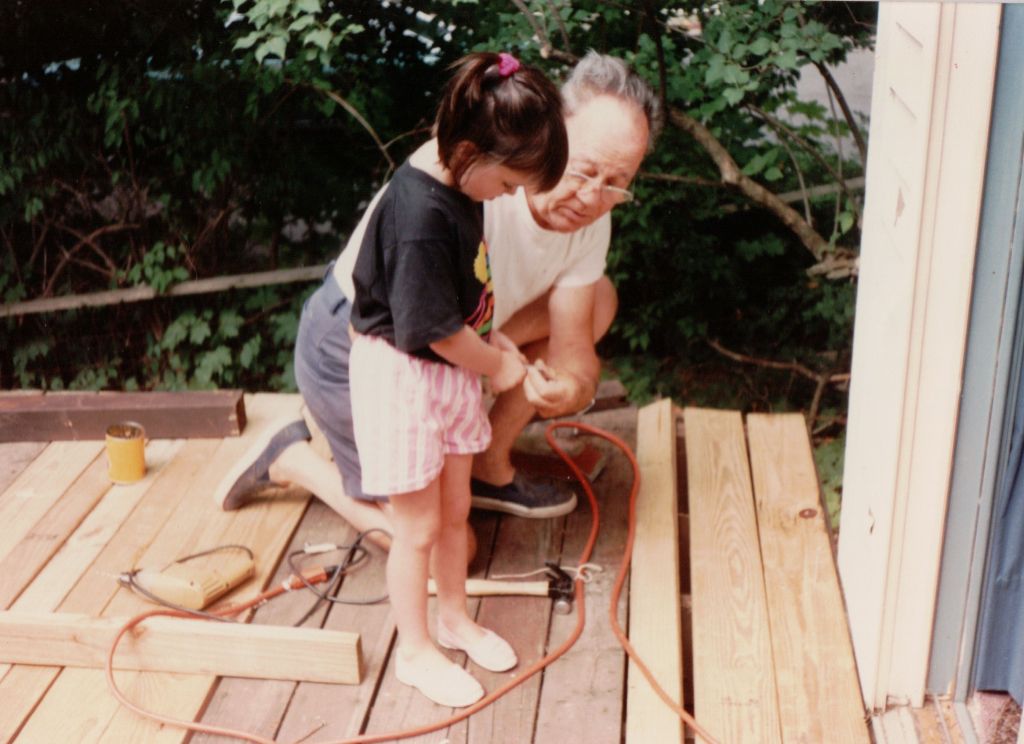
Dad viewed problem-solving not as a barrier, but rather, a challenge to grapple with. I think this is what motivated him when we had school assignments to finish. When we brought home problems to solve, or writing to complete, he stood ready, not to do the work for us, but to provide support. He understood that it was important for us to figure out for ourselves how to move things along. He did, however, have a penchant for research.
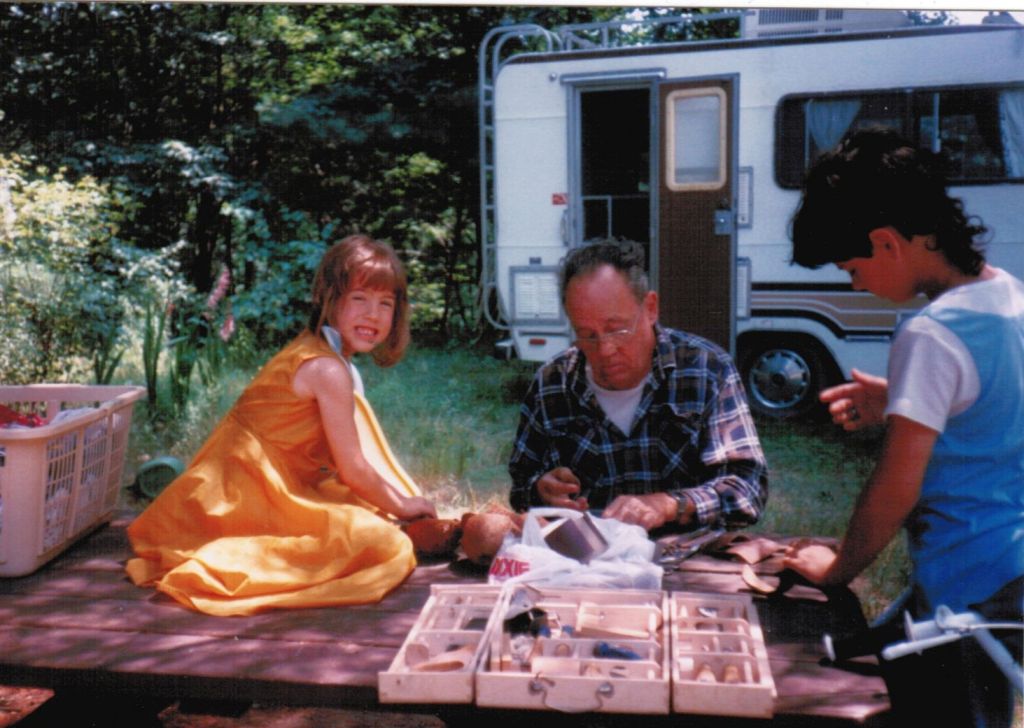
When I came home and asked for help, he often reached for our World Book Encyclopedia set that filled an entire row of our floor-to-ceiling bookshelves. As I began poring over the first volume he located, he headed back down the hall. Soon I found myself staring at three or four topical articles with possible references to the homework I needed to finish.
It was helpful, but also overwhelming. Dad didn’t do the work for me, but exhibited an impressive enthusiasm for study, and was glad to join in the fun. At least it seemed to be great fun for him.
In 9th grade I was failing Algebra spectacularly. Other academic disciplines came more easily to me. I was a good reader, and in topics other than math I was able to breeze through with little effort. My method was to read, retain what was needed, then do whatever was necessary to pass the course.

My parents became aware of my failing Math test results. In response, Dad took me in hand and spent every evening for the next two weeks working with me. We moved from one section to the next, working through the Algebra concepts I was expected to master.
He explained that I could not get away with simply reading the textbook. I had to actually do the problems myself—practicing the steps. Rather than simply saying “Do this,” however, he sat with me, night after night on our green, plush fabric couch. We worked through the multiple “x” and “y” formulas. Parentheses placed in various locations mysteriously (to me) changed the results. Repetition, not reading, began to bring understanding. Working the problems, not just telling myself, “I’ve got this,” helped me grasp the ideas behind the various formulas that could solve for “z”. That next test? I nearly aced it. Not perfectly, but well enough that I was back on track.
It’s common sense
One day he told me about being put in charge of a group of novice soldiers as they progressed through boot camp. Then he smiled. “I missed going through boot camp myself.”
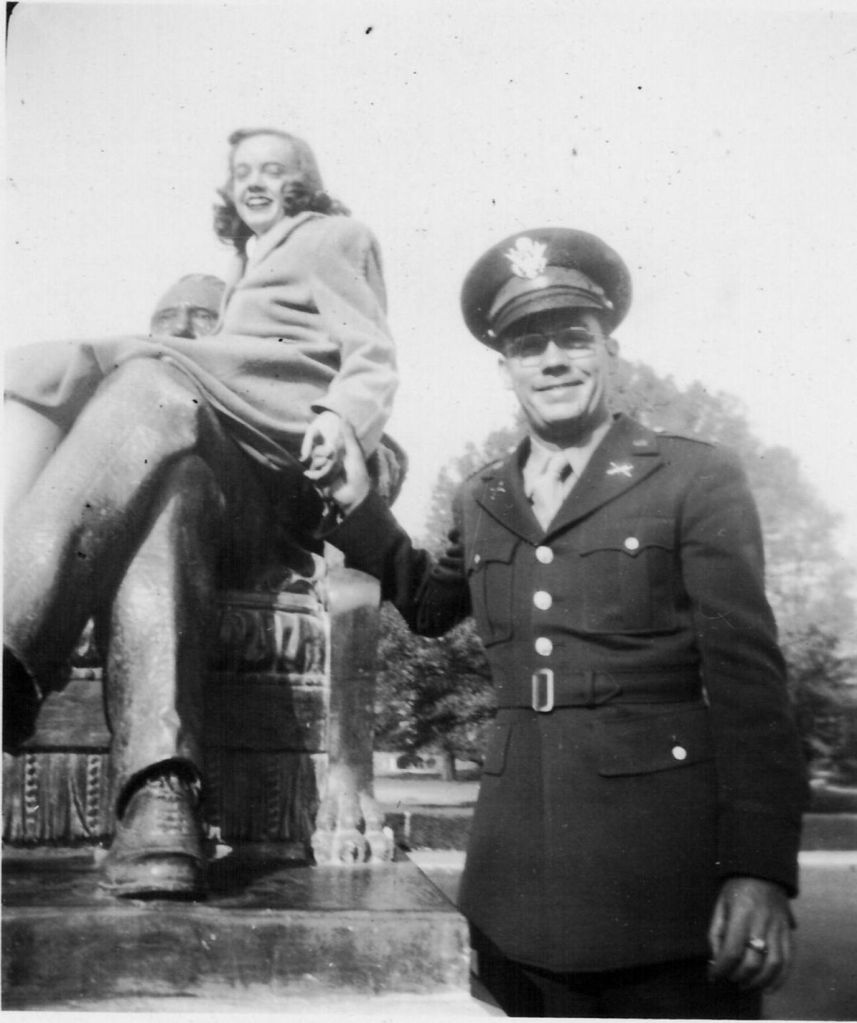
“How did that happen?” I asked, mystified.
He explained that during WWII, soldiers were tested for intelligence, and scored. Once a unit of soldiers and their scores added up to the requisite intelligence quota, they could be shipped out. Placement in a group of solders was arbitrary, a numbers game. Dad’s test scores helped a platoon meet its intelligence quota. He fit in the slot the Army needed him for, even though he had somehow missed that seemingly obligatory rite of passage for all military folks—boot camp.

In answer to my questions, he shrugged. “It was wartime. A lot of what happened didn’t make sense.”
“How did you figure out how to lead boot camp exercises when you hadn’t done it yourself?”
“It was common sense, really,” was his best explanation. Then he added, “It was the shouting I had the hardest time with. I don’t like to yell.” I knew this to be true. He didn’t ever yell. But we sure knew when he was displeased. All it took was a look and a quiet word. Yelling was never necessary to communicate his displeasure, or concern for our safety.

Dad seemed to think that most problems simply required using common sense to achieve a resolution. Common sense, however, could not always explain how Dad managed to achieve what he did. There were times when he appeared to achieve the miraculous.

On the other hand, Dad did not always want to draw attention to his facility in “fixing” toys. There was that little bumble bee pull toy of my sister’s. I overheard a mumbled reference to how irritating the clicking sound was when she wandered back and forth through our living room. One day the bee suddenly ceased its persistent clacking noise, even as she pulled her brightly colored wheeled wooden toy through the room. A miracle? Wish fulfillment? Curiously, Dad made no move to “fix” the buzzy bee. My sister still loved dragging her toy behind her, click or no click.
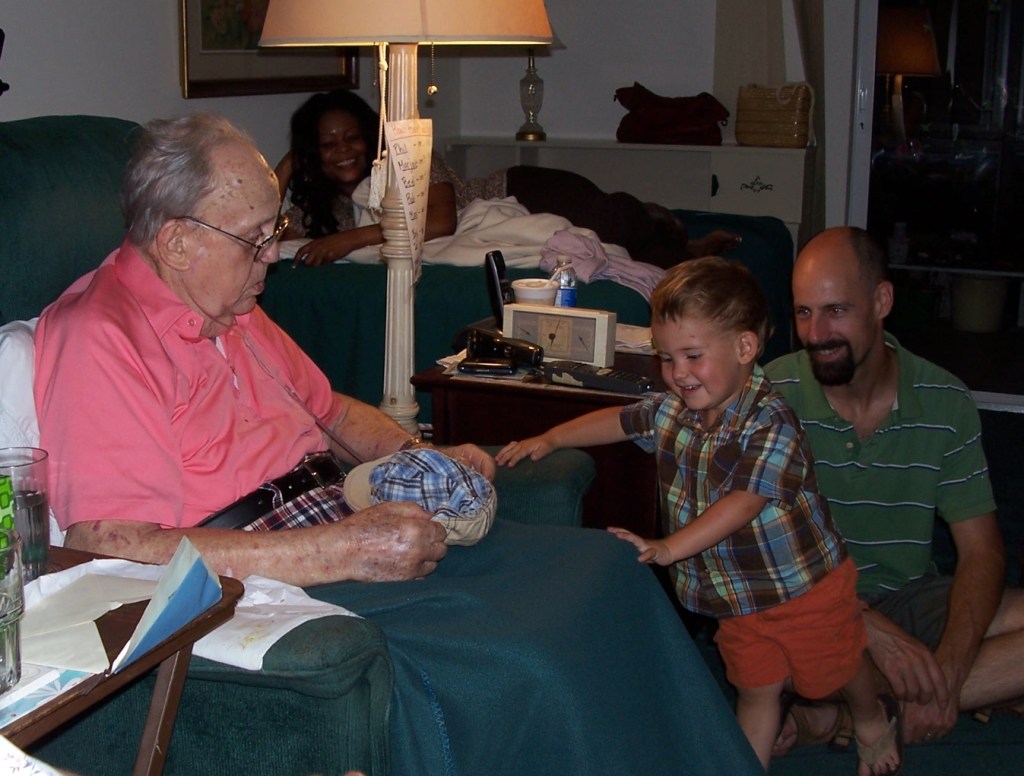
While his approach to problem-solving was not magic, his overarching ethos was that there often is no good explanation for how or why something happens. Without directly saying so, he made it clear that it’s important to accept things on faith, or to simply allow for miracles. Of course, he would also affirm, “Sometimes it’s best to leave things broken.”
Marjorie
 Marjorie Turner Hollman
wonderful essay on the joys — instead of the sorrows — of problem solving. and i hadn’t remembered as much about Daddy and research. Thanks!
Thanks–it took awhile to figure out the right stories but finally came together. Glad you enjoyed it. Thanks for reading and commenting!