
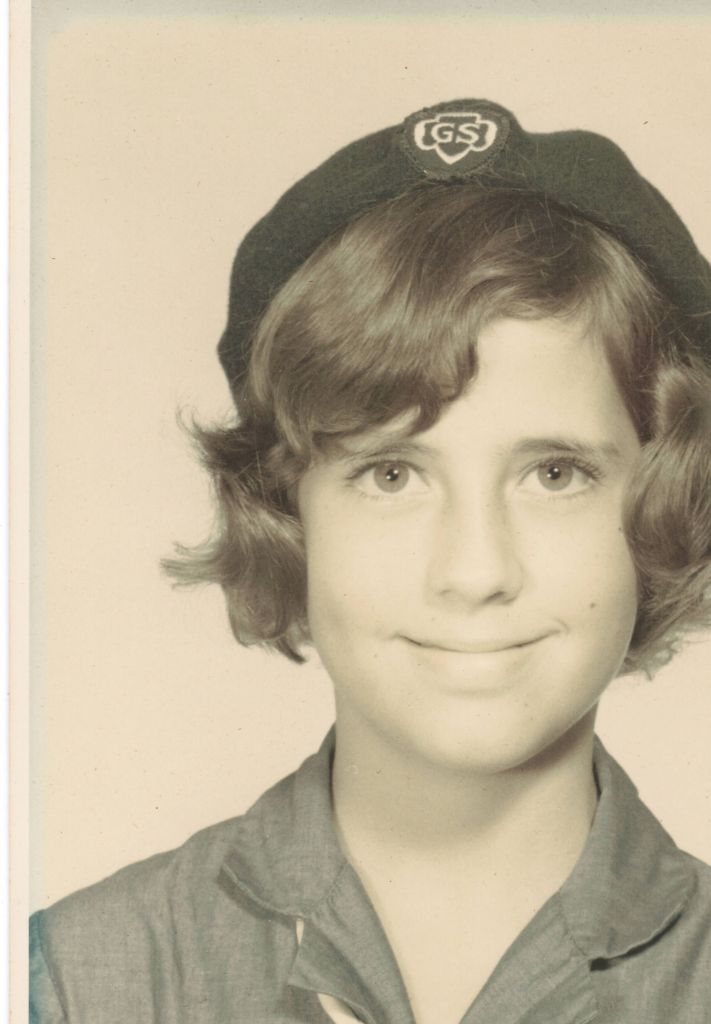
Marjorie Turner Hollman helps authors self-publish their books. She is also a disability advocate, sharing information about Easy Walks (not too many roots or rocks, relatively level with firm footing, and something of interest along the way) in open space. Link to all Marjorie’s books.
LISTEN:
Proof reading: You learned that in elementary school, right? You remember elementary school. Even up into high school, you knew that when a teacher told you to “Proofread your work,” it meant that you were supposed to read through what you had written, looking for spelling mistakes. In later grades, you also needed to decide if your sentences made sense, and if not, to rewrite them.
What you likely never heard during your years of formal schooling (perhaps even into college?) was that “proof-reading,” in the publishing world, means exactly what the words say. Proof-reading is actually reading (reviewing) a proof (test) copy of a manuscript that has been laid out, almost ready for publication as a book (or ebook or audio-book these days).
Proofreading is the opportunity to review the details of how a book has been laid out. Proof readers check to see if the print is readable. Are typographical errors lurking even after countless passes through the manuscript? Is the book design up to professional standards? Did something get overlooked that you will feel embarrassed about once the book is in print?
Writing means rewriting
You may, indeed, have to rewrite what you thought you’d finished. When a generous, kind and persistent family member, a skilled writer/teacher, wanted to encourage me to do my best, it was frustrating. I knew from experience that what I’d written was good enough for an A just the way it was. Why keep rewriting beyond that? I did not feel very grateful at the time for his concern. (Now I am humbled by his faith that I could do better.)
I had no idea when I was in high school that one day I would write and rewrite 50 to 100 versions of one book (and then do it again for another book, and then another). Rearranging. Rewording. Starting over. It’s amazing how much one’s writing insists on being polished even in a single book project. And no one gives us an “A” for effort or any other accolade.
But back to the process:
The manuscript is ready to be printed once it’s been combed through one last time— the final proofread. It’s the last chance to check for those pesky mistakes that slip through every publication.
A comforting rule of thumb for professional editors is that no book ever will be perfect. A margin of error (you hear this phrase around elections, when pollsters use the term every time they open their mouths) means that perfection is a myth. However, close to perfection is the goal. If there are less than six recognizable errors in a published book, that meets the standard as “close to perfect.” Less than perfect really is good enough.
Waiting to publish until your book is perfect means you will never, ever publish anything. And a big bonus is that, especially these days, Print on Demand publishing (POD) allows you to go back and fix those mistakes when you (inevitably) spot them.
Proofreading our own work
In a word (or two), you can’t. We are creatures of habit.
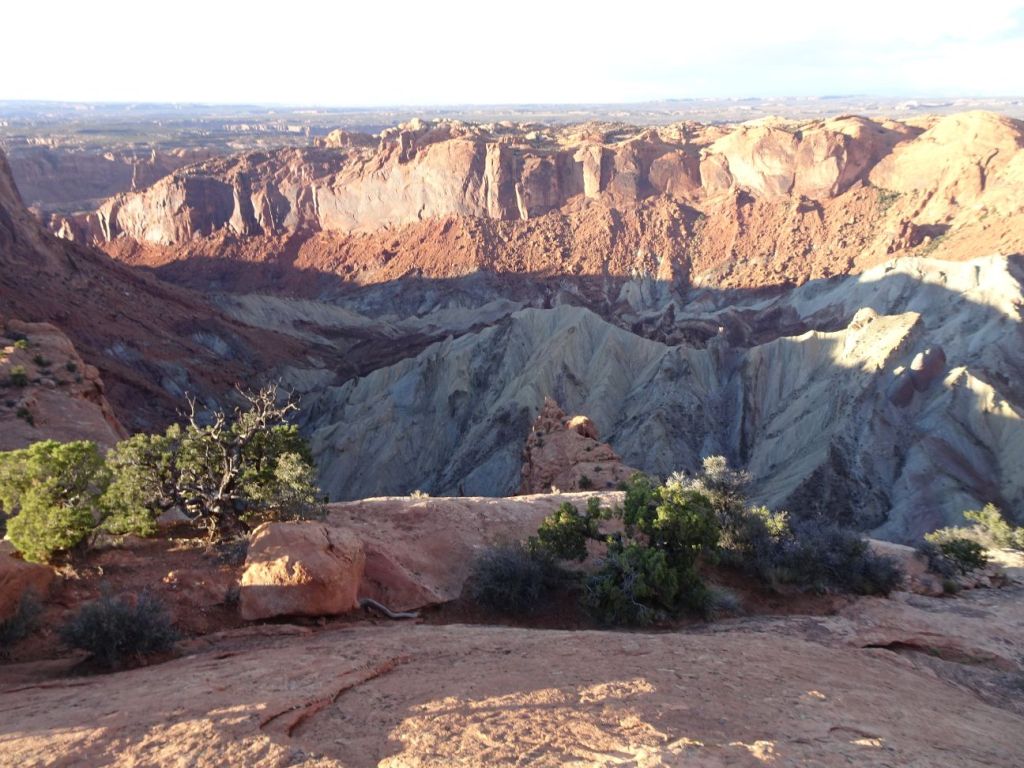
A view that strikes us as amazing, like an ocean view,

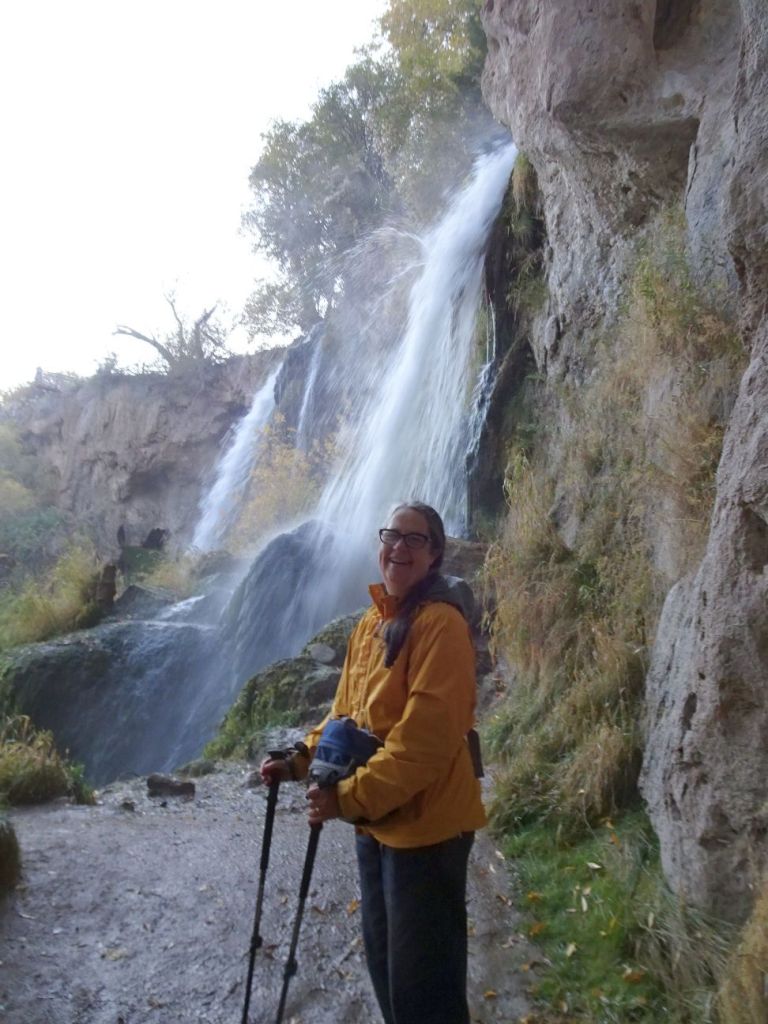
a waterfall,
a marsh,

or mountain range, when observed every day begins to feel common place. Our eyes grow accustomed to what we see repeatedly.
The same with writing. When we review our own work, the patterns begin to blend together. Our minds fill in blanks, skim past misspellings, and grow bored. We have seen this before. We need to see our writing with new eyes.
Giving ourselves the gift of time can refresh our perspective. just as leaving a familiar place and returning later, we can be reminded of the beauty we have grown used to. Seeing growing children after a time of absence makes their growth surprising. Time allows us to have new eyes. It helps to walk away from our writing for a few hours or days.
And yet, when it’s our own work, time can only do so much. The best new eyes are someone else’s. Fresh eyes, not so tired. Not so bored. Trust me, by the time you have gone over your manuscript 50 or more times, you will NOT get excited about reading through it One. More. Time.
Of course, you need to get your manuscript ready for proofing. That’s another topic. But for now, let’s take it as a given that you will have a manuscript ready to be proof-read. Not for an A. Rather, because someone needs to hear what only you have learned, have seen with your own eyes, or simply have imagined so profoundly that you must commit it to the written page.
So sure, proofread your work. Then let someone else help you. You’ll be glad they did.
Marjorie Turner Hollman
Does publishing a book independently feel overwhelming? Get the help to make your book available to the world. Then you can start reaching the audience that needs to hear what you have to say. We’re ready to provide the support you want to get your book self-published. Your book, the way you want it, that you can be proud of.
We work with trusted developmental editors, copy editors, proofreaders, and book layout and cover designers as part of our team of professionals. Email to see how we can work together. marjorie@marjorieturner.com
 Marjorie Turner Hollman