
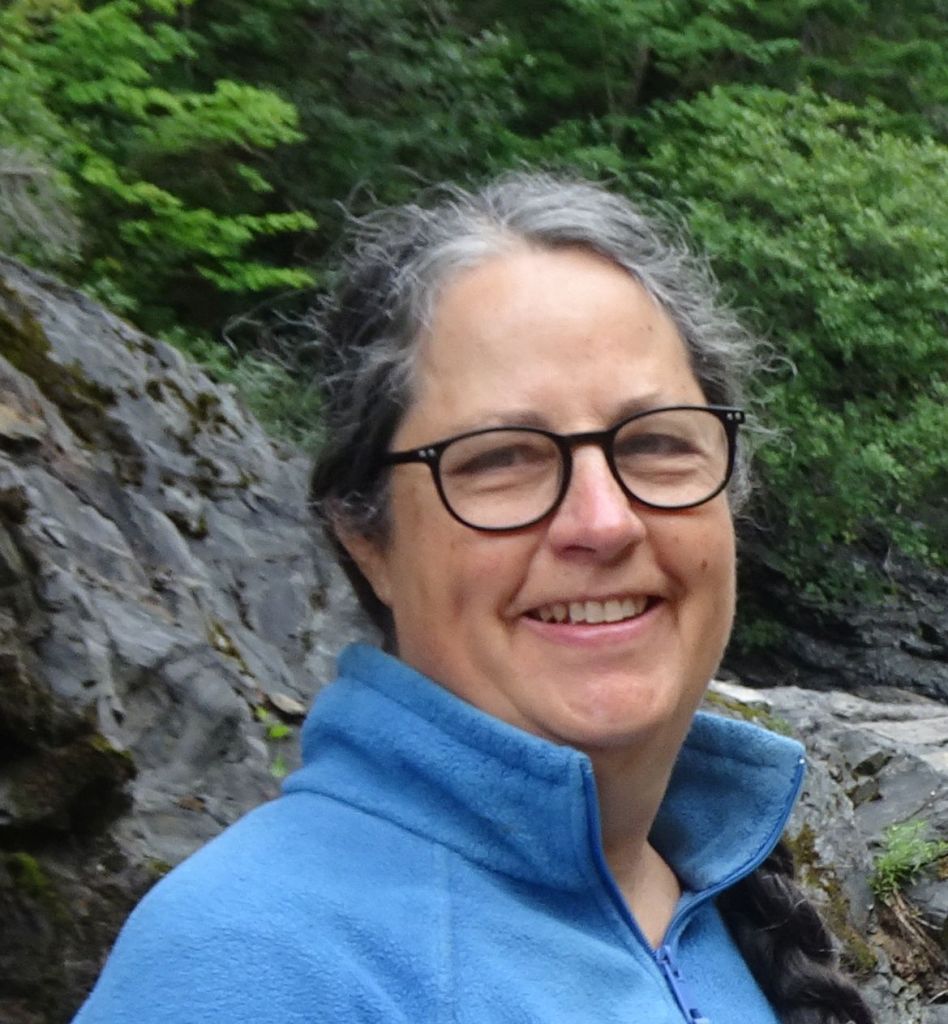
Marjorie Turner Hollman is an author, creator, and observer who loves the outdoors. Link to all Marjorie’s books.
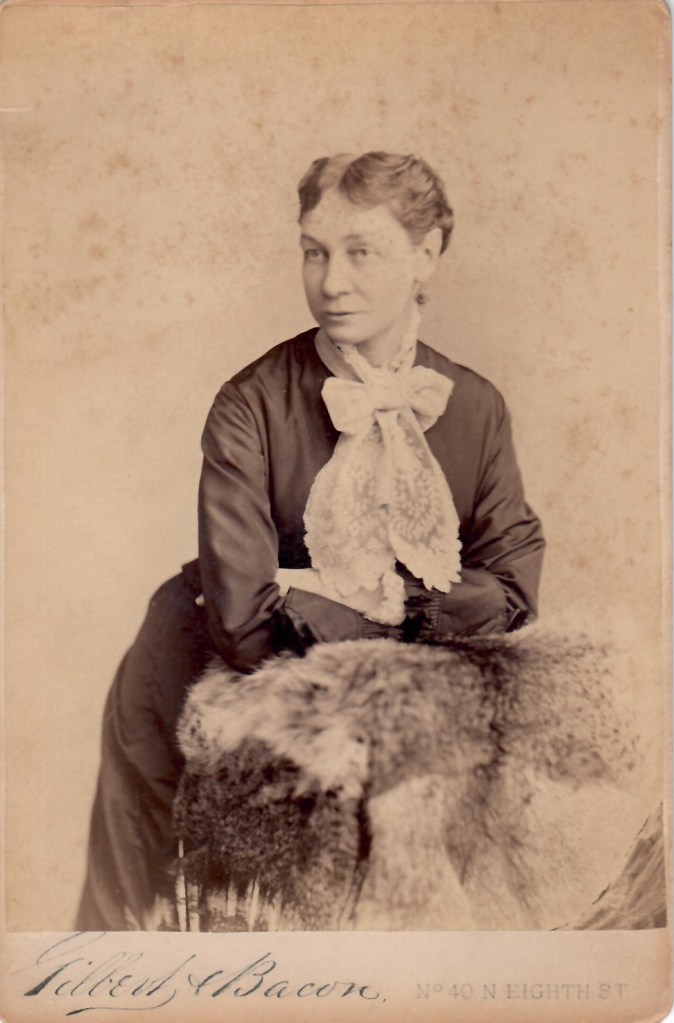
Our family has rich resources in the form of letters from our great-great grandmother, E.J. Phillips. She travelled extensively in her work as a theater actress, and we know something about her feelings concerning boats, and travel by ship. We have numerous (over 1000) letters she wrote to her son and daughter that were passed down to us. We have some basis for feeling confident that boat travel was not at the top of her list of favorite ways to get from one destination to another.
But just because you are related to someone does not mean you share the same passions. In fact, you may feel strongly opposed to what brings another great satisfaction.
This seems to be the case with my great-great grandmother, EJ, and me. What? you say. Isn’t that a bit of a stretch? Indeed, there is the matter of distance in time between us. And certainly just because we share some common DNA does not mean that our likes and dislikes have anything to do with one another.

I have always been terribly fond of messing about in boats (a reference from Wind in the Willows by Kenneth Grahame that I have always found endearing). My adventures with boats have been for pleasure, and have been enjoyed with pleasure, while EJ’s journeys were, for the most part, a requirement of her work as an actress on the stage.
In one letter, EJ wrote matter-of-factly that she was headed for Boston from New York by boat: In this case she expressed no feelings for or against her mode of travel.
475 Ave. 4, New York April 6th [18]86
My dear Son, [On Saturday] Hattie and I left by the 4:45 train from JC [Jersey City] for R[idge]’wood. We shall stop at some hotel or at Mrs. Nagle’s [boarding house] until the 2nd of May, then we go by boat to Boston, to open there on 3rd of May.
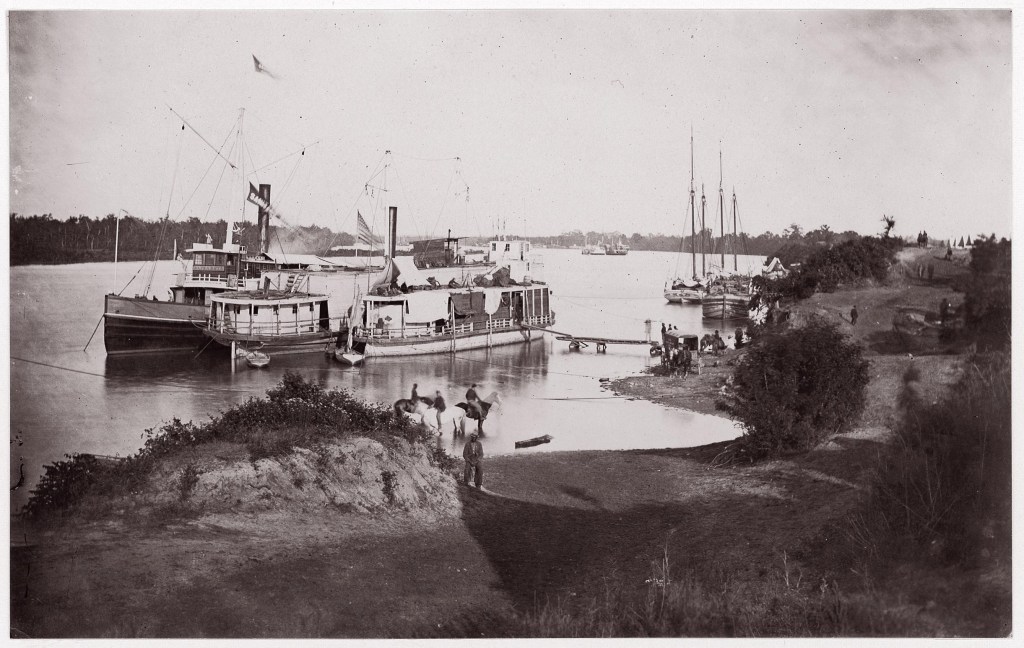
Boarding a boat of any type presents the opportunity to revel in the freedom of floating above the waves, or of possibly enduring sea sickness. It appears from several of EJ’s letters that she was able to manage with equanimity ferries or river voyages. Ocean travel, however, caused her great anxiety and she was granted leave to travel by train when possible, even if it involved more time and inconvenience.
Hotel Aragon “Open all year” Cable address “Aragon Atlanta” Atlanta, Ga. Friday Feby 1897
My dear Son,
This has been a most trying two weeks I have ever gone through in travelling, and I do not think I could stand another two like them. I look for pretty hard work and discomfort in New Orleans next week [Mardi Gras].
They are sending some of the Co home to New York by boat – a five days ride, but Mr. Zack has said he will try and send me by rail – and I hope he will be successful. I do not care for boating in March on the Atlantic Coast.
Uncertainty is a consistent aspect of travel. When boats become part of the equation, additional unplanned factors comes into play. In some instances, tides can greatly affect when a ship can leave harbor. Storms of varying intensity can cause trips to be cancelled. Hulls may spring a leak, or become stranded on rocks or sand bars. Boat engines may fail, with no replacement boat at hand.

Some adventures with kayaks, (admittedly restrained adventures), required that we pay attention to the tides in Mt. Desert Island, Maine. The water level shifted six feet or more. To paddle about in Somes Sound, we had to pay attention to tide charts, and make sure we returned while we could still return to shore.

When I was growing up we spent summers at our grandmother’s (Em Turner Nickinson–called Po’Lady) beach house on Santa Rosa Island, Pensacola, Florida. When whitecaps churned the waves of Santa Rosa Sound, we knew our sailboat would remain beached until the wind had settled down.
My introduction to piloting small watercraft occurred in that same waterway. The aquatic Girl Scout camp in Pensacola I attended introduced me to the technical aspects of canoes and sailboats, and the (much more fun!) opportunity of taking the boats for solo outings. I took to sailing quickly and maneuvered the little tub-like craft around buoys with ease. Paddling skills came naturally to me. With a little instruction I was able to move the canoe through the water and reach my desired destination with little fuss. When given the chance, I will always say “yes,” to spending time in boats.
With EJ’s travel plans, the weather was not always the deciding factor dictating their departure from one city to the next. Theater engagements seemed to shift at the whim of theater managers. Actors had no say about where they went, or when. In many ways they were just along for the ride.
Tacoma, Washington, THE TACOMA
June 25th 1890 My dear Son.
At breakfast was surprised by hearing from Miss [Ada] Dyas that we do not go to Seattle. Instead of Seattle we may go to Victoria, B.C., leaving here by boat tomorrow Morning at 8, arriving at Victoria at 4 PM. Eight hours ride by boat. I suppose I shall learn at Matinee whether this is a settled fact or not. The City Directory [a different play from the one in which EJ had a part] is billed for this place tomorrow night and will not be bought out or we could finish the week here. I wish we could. I do not like going by boat. I am afraid of being seasick.
Surely if EJ was concerned about getting seasick, she most likely had had experience with it in the past. Or perhaps she had simply witnessed the impact of the malady on others she traveled with.
My rare experience with mal de mare was in a small, glass bottom boat off the coast of the Florida Keys. Our destination was the coral reefs off shore. The boat ride itself was uneventful. However, once we stopped to get a look at the reefs directly underneath us, the boat wallowed, rocking back and forth with each swell that rolled underneath us. My husband was not OK with this rocking. I was still fine. But then… the captain shoved the throttle forward, headed toward a different reef. The boat sped up, and the sight of the churning water underneath me set my stomach roiling.
Luckily for me, simply turning away from the glass bottom viewing area dissipated the nausea. When the boat was moving, my eyes needed to focus out across the waves, not staring at the maelstrom beneath us.
A twenty-five mile boat ride that promised views of puffins was another close call for me in the sea sickness department. As we traveled farther from shore the catamaran tossed up and down as it crashed into oncoming waves. The bow of the boat offered the most extreme jolts as we journeyed out into the ocean. We were advised to head to the stern, where the motion was less intense.
This worked fine for me. My husband less so, but he managed with a weak smile. After all, it was I who hungered to see puffins. He was willing to humor me, even as the waves grew in intensity.
Other high school students who joined us had begun the trip in high spirits. They raced up and down from one deck to the next, grabbing greasy food from the snack bar. They became markedly subdued as the boat met the oncoming waves with greater force, and when we docked, left the boat with much less energy than they had embarked with
EJ’s trip from Tacoma, Washington to Victoria, British Columbia, while through an inland passage, was expected to take at least eight hours. But as it turned out, she did not have to endure the planned extended trip to Victoria, at least not on that trip. The very next morning, with real relief expressed through her writing, she greeted her son about her good news:
The Rainier, Seattle Washington June 26th 1890
My dear Son. Well I am in Seattle! at the above hotel which stands on a high hill overlooking Puget Sound — the “Mediterranean of America”. The view from my window is indeed very beautiful. The City, like Tacoma, is built on a succession of hills, but I think the site is prettier than Tacoma. And I should think healthier. There is more swampland lying around Tacoma but the water is salt in the Sound so may not be aguish [malarial]. … We left Tacoma at 8 this Morning by boat, only two hours ride by boat and less by rail.

Despite EJ’s misgivings about boat travel, the joy she felt upon arriving safely on shore is palpable in her letters. She admired the coastal views seen from on deck on boats on which she was a passenger, and bemoaned the lack of views when fog obscured what she knew (from earlier travels) to be stunning scenery.
Not all EJ’s travel was for work. When in various parts of the country she made a point of visiting friends if her schedule allowed. And if a short ferry ride down San Francisco Bay was required, she apparently welcomed the adventure. Ferries in New York and San Francisco were quite common in this era.
Clearly the experience did not compare with the rigors of reaching a specific destination within a confirmed deadline. She took pains to describe her surroundings to her correspondents. Unlike the rest of her family members, she witnessed an impressive portion of the united State, and parts of Canada, while these other family members traveled much less. In her own way, she acted as a tour guide as she wrote, expressing not only her thoughts about her work, but her enjoyment of the countryside through which she traveled.
She wrote to her daughter-in-law:
THE BALDWIN HOTEL San Francisco, Cal July 29th 1890
On Sunday I went to San Rafael [about 20 miles north of San Francisco] to visit the family of H.M. DeYoung [founder of the San Francisco Chronicle]. Had a nice boat ride down the Bay, and a fifteen minute ride on the cars. Was met by Mrs. Deane, the Mother of Mrs. DeYoung, who had two carriages ready to carry our party to the DeYoung residence, a very pretty Elizabethan cottage situated in a pretty valley surrounded by big mountains.
Consistency is not a given for any of us. In fact, being consistent is a very difficult thing to achieve. As much as EJ expressed her preference for avoiding boats whenever possible, the following letter reveals that she made some exceptions.
1894 Feb Newport RI Perry House NewPort [Newport], R.I. Feby 8th 1894 Open all year W.I. O’Brien, Proprietor
My dear daughter Neppie, Left Worcester, changed cars twice and took a steamer called the “Genera” and arrived in NewPort about 1:15. The ride down the [Narragansett] Bay (I do not know what else to call the water we came on) was delightful. We return the same way tomorrow Morning on our way to New London. I wish we could go all the way by water if it could be as pleasant as it was this Morning. March, I think, is the worst month in the year to think of changing clothes, unless you put warmer ones on.
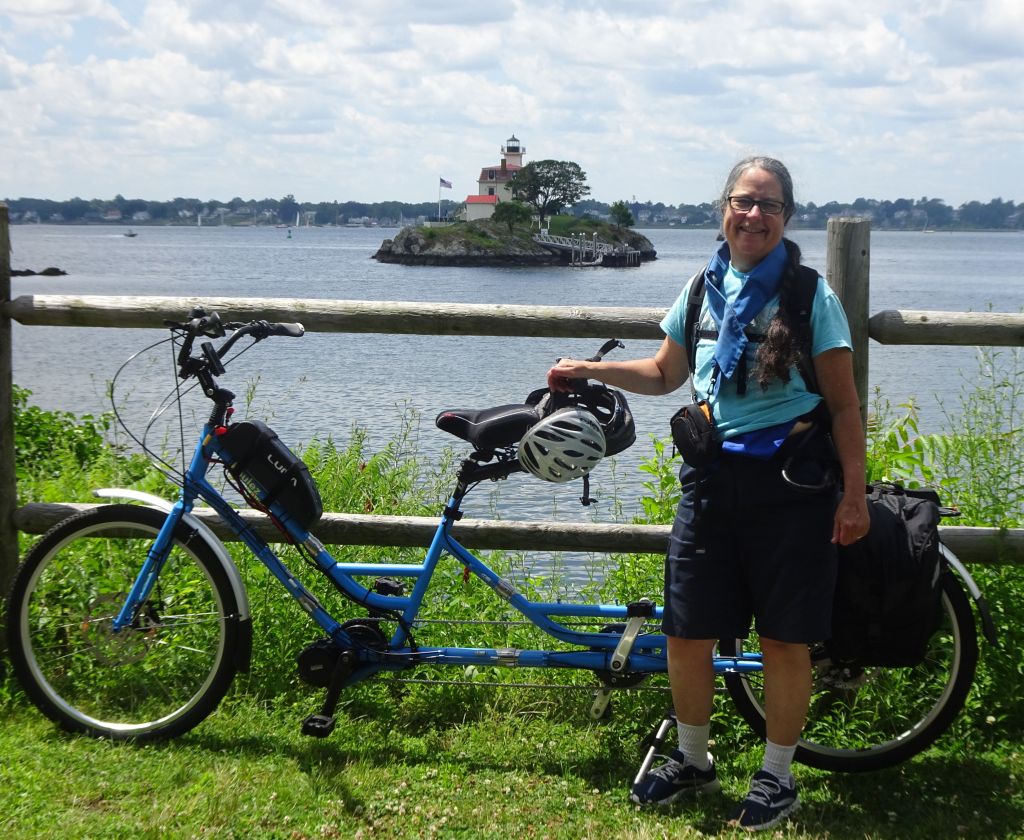
I live quite near (a 45 minute drive) that same Narragansett Bay EJ describes. I have biked alongside, but not paddled there, and would welcome launching a kayak and staying close to shore. Ships traveling into and out of the port of Providence pose a serious hazard for those wishing to cross the bay in small watercraft. Ferries transport passengers out to and back from Prudence Island, which is in the middle of the bay. Summer excursions to a picturesque lighthouse in those same waters are on my wish list.
EJ often commented about the weather, illness, and her concern for her children’s well-being. She comments less often on how her children might feel about her. Her humor, when it is revealed, is always self-deprecating and unsentimental. The twinkle in her eye as she writes is delightful, even when she complains.
1896 Saturday Morning crossing the desert August 15th 1896
My dear children,
I shall send you a telegram as soon as I reach San F’co or where ever we are due at 9:20 tomorrow Morning. I feel better I think, than I did on Wednesday before leaving Chicago, for the heat there had wilted me until I looked like a crushed rose or any other beautiful flower you may think I most resemble.
Business travelers may identify with her weariness of the rigors of travel. However, EJ never seemed to tire of the potential to see new places, or to revisit locations she had seen in years past. This particular letter conveys her wonder, enjoyment, and sense of humor about her travels. She arrived in San Francisco by train but would soon depart by boat for Seattle.

The Baldwin San Francisco Cal. August 21st 1896
My dear Son.
Yesterday took a ride to the “Cliff House”. Saw the ocean and found many changes and improvements (not in the ocean — but on the land). New bath houses (there was no old one). A new Cliff House on the same site as the old one — very much larger — but looks too new in its white and red paint to belong to the picture. The ocean and Seal Rocks and the seals themselves look just the same — but no doubt the latter have been changed many times in six years. But the present occupants of the rocks go through the same aquatic sports and jump on and off the rocks — same as their ancestors. Barking is exactly the same.
Later the next month, she wrote of the multiple times she and others stepped on board and later disembarked to reach the destinations they had been contracted to perform at. Even with her hectic schedule, she expressed regret at missing the chance to explore Victoria.
Telephone 222 P.O. Box 572 MANOR HOUSE Vancouver, B.C. Septr 19th 1896 [Saturday]
My dear Son, We arrived here by boat this Morning at 9 o’clock, but I did not get up here to this hotel until 10:30. We left Victoria at 2 AM having gone to the boat after performance and went to bed, but the boat did not leave until 2 AM. We return the same way tomorrow. Going from here to Victoria, change boat there and go through to Tacoma, or else we would have to get off the boat in Seattle at 4 AM, not a pleasant hour but by going through we get an undisturbed nights rest and leave for Seattle at 9. Ride two hours on the water and get there at 11 AM Monday. Play there Monday and Tuesday and then turn our faces homeward. …We had a fine house last night in Victoria. Arrived there 5:30 PM and boarded the boat at 12. Boat started for this place at 2 AM. Did not give me much time to get an idea of Victoria.
This letter assumes that her son had familiarity with the geography of the northwest. I found it helpful to study a map of the area to better understand the scope of her travels on this specific trip. From Victoria, BC, her theater troupe traveled north to Vancouver by boat for a one-night performance. Immediately after the curtain fell, they returned to the boat to return back south to Victoria.
Their travels then took them by boat from there, south to Tacoma, and in bypassing Seattle, it allowed the performers a night’s rest as they slept on the boat. The following morning the actors rose early (for theater folks) and headed back north again from Tacoma to Seattle, where they had a two-day engagement in that city.
She wrote from Seattle, turning her focus from travel logistics to her disappointment at being denied views of the coast because of fog, and her preference for trains over boat travel:
OCCIDENTAL HOTEL Seattle, Wash Septr 22nd 1896
My dear Son, We arrived here yesterday about 11 AM. Had a foggy trip through Georgian Bay and Puget Sound. All the beautiful views of the scenery were lost. We have had fog ever since we reached Portland. We leave here at 4 AM for Portland, remain there for seven hours and then start for Salt Lake. Two nights or rather three, counting tonight on the train. I do not think the trains are as tiresome as the boat. We had to take three [boats] to get here from Vancouver, B.C. and all were propellers. And the pumping noise of the machinery was too tiresome for comfort.
The closest comparative ship voyage I have had to date was a six-hour ferry ride from Nova Scotia to Newfoundland (and later back to Nova Scotia). The outbound trip was uneventful, the seas calm, the skies bright. We witnessed dolphins off to the side of the ferry, and remained on deck for the entire trip.
Our return voyage, however, was quite different. Soon after we cast off, the shoreline of Newfoundland receding in the distance, and as waves slapped the sides, the boat shifted suddenly side to side; standing upright was difficult. We headed for our cabin. I had hoped to shower, since we had been camping and had had limited access to convenient bathing facilities.
The waves grew in intensity the farther we got from shore, and we found ourselves tossed back and forth across the cabin. Showering was forgotten. Staying seated was the safest option for me. My husband took advantage of the bunk to calm his upset stomach. We remained below deck the entire trip. The engines roared as the boat slowly made its way back to the mainland. Despite the worry of getting seasick and the repercussions this might have on my chronic health conditions, I was unfazed by the lurching and swaying as the boat made its way back to Nova Scotia.
EJ saw (and described) several train wrecks, but this was the only letter in which she recounted witnessing a ship collision.
THE HOLLENDEN Fire proof American plan: $3.00 to $5.00 per day European plan rooms: $1.00 to $2.50 per day Cleveland, Ohio Friday Novr 17th, 1893
My dear Son,
We had an accident coming across the Lake [Erie] Wednesday night. The Steamer, City of Detroit, ran into a schooner and we were near the spot. I feared something was the matter as our engines stopped and bells sounded, whistles blew but I kept quiet and did not know about it until Morning, though I did not sleep until about an hour before landing in Cleveland. Nobody was hurt. The schooner was loaded with lumber which prevented her sinking and a tug took her into port at Amherstburg. The Lake was very rough, but I did not get seasick.
We have had few mishaps akin to the ones EJ witnessed. Escaping a tornado on a trip that took us through Kansas was the closest we came to disaster, but there was another time when events could have taken a decided turn for the worst.
In years past when my dad was still alive, we made trips to south Florida to see him, and took side trips while there to local state parks and other outdoor destinations for walks, bike rides, and kayaking.
It was mid-day when the phone call came. I was in the middle of the grocery store. Over the phone I heard, “I’m in a kayak at Jonathan Dickinson State Park. There’s an alligator resting on the river bank between where two narrow streams join. Either way, I have to paddle right past him. And there’s a chicken sandwich behind me in the kayak.”
What was I to do? I stifled a laugh prompted by his comment about the sandwich, but his tone of voice was serious. I had grown up around alligators and knew there was some risk in his situation, but also knew there was little I could do other than tell him, “Start paddling backwards as quickly as you can. Alligators are unpredictable. Hopefully he is not hungry.”
Perhaps he could have thrown the sandwich to the reptile to distract the creature. Ultimately, the alligator remained on the bank, and presumably was amused by my husband’s maneuvers. It might have been a close call, but we both survived to paddle another day.
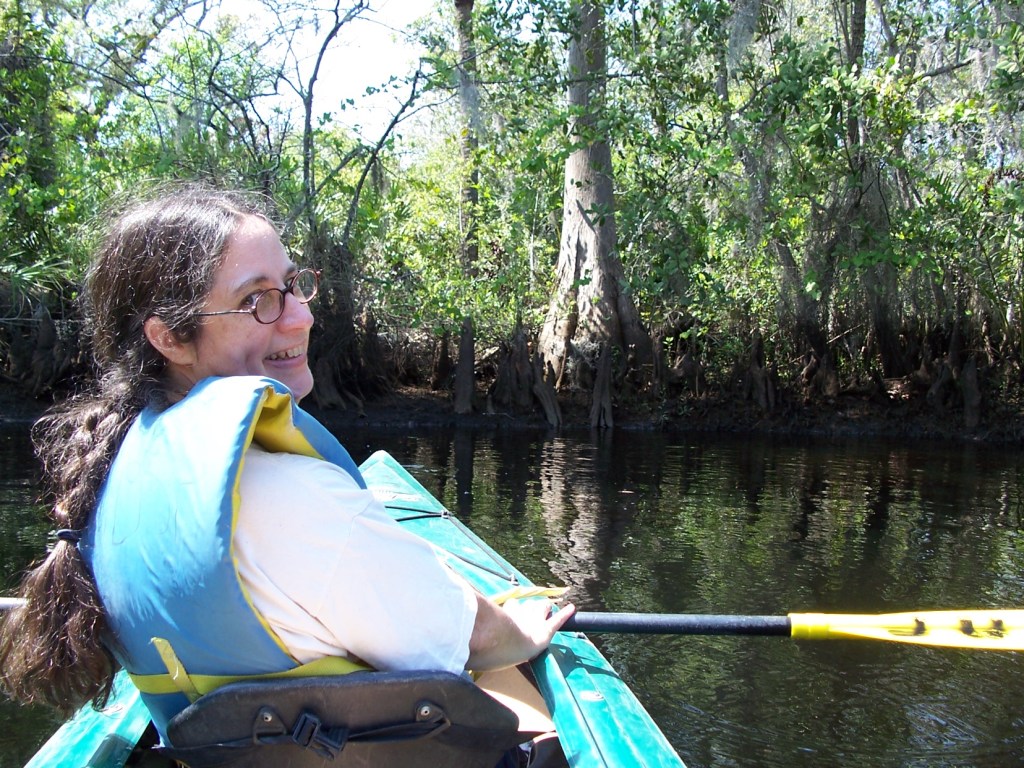
While EJ had strong feelings about her theater troupe’s modes of transportation, ultimately she enjoyed her work, was fond of her colleagues, and treasured her time with her compatriots. When she was not working, she looked forward to the time when she could return to the stage.
EJ loved her children, and spent extended time with them, especially as she grew older. For months on end, however, her time was spent in the company of the theater troupes that engaged her services. More than any specific place, these actors—friends— and wherever they traveled and performed together, were her home.
United States Hotel Boston, June 8th 1888
My dear Son. Our company disbands for a time on Sat night — 5 of us take the 11:30 train for New York. Mr. & Mrs. Presbrey left us Monday for Florence, Mass. Mrs. [Agnes] Booth goes to Manchester-by- the- sea [MA]. Her son [Sidney Booth] to join [Richard] Mansfield Co in New York. Wm. Palmer and others go by boat to New York. Mr. & Mrs. [EM] Holland to Cape Cod. “So runs the World away”[Shakespeare’s Hamlet].
As for me? My home, for the greater part of my life, has been one small cottage overlooking Silver Lake, in Massachusetts. For many reasons, over the years I remained home and traveled very little.
I have the heart of a world traveler (perhaps like EJ?), but the body of a day tripper. When my husband came into my life he was determined to take me places I had only dreamed of—and he has. Anticipation of travel both excites me, but also brings with it anxiety. The fatigue that naturally accompanies travel will catch up with me. Among the uncertainties of travel, exhaustion, for me, is assured.
In a very different time, EJ used vastly different, much less comfortable modes of transportation than what is available today. Her stamina waned with age, yet she welcomed stepping back on the stage when needed. My hope is that I too will continue to say “yes” to lend a hand when opportunities present themselves. Her enthusiasm, resilience, and curiosity feel akin to my own. Despite our differences, living in different times, I will claim kinship with her, and with that connecting thread, pray that a small share of her spirit continues through our generation, and onto the generations to come. And when life involves boats, well, I am all in. I like to think that if offered the chance, despite her trepidation, EJ would have felt the same way.
Marjorie

None of these articles would have been possible without the transcription of EJ’s letters by Em Turner Nickinson Kuhl (Great-grand daughter of EJ)
and for the extensive research conducted the past 30 years by Mary Glen Kuhl Chitty. much, much more information about EJ: https://www.maryglenchitty.com/

 Marjorie Turner Hollman